Why Dedicated Rodent Control Odessa TX Specialists Outperform General Bug Exterminators
Most traditional pest control companies in Odessa are generalists. They spray liquid insecticide for crickets, ants, and spiders, and treat rodent problems as an afterthought by dropping a couple of plastic anticoagulant bait boxes around your foundation. This standard approach fails because poison does not stop mice or rats from entering your house.
Here is why a dedicated rodent specialist is essential:
- We Solve the Architectural Root Cause: A mouse requires only a 1/4-inch gap to enter your home, which is roughly the diameter of a standard pencil. A full-grown roof rat needs only 1/2 inch. General bug sprayers ignore these gaps. We inspect your structure from the foundation footing to the ridge vent, sealing every vulnerability with chew-proof materials.
- We Never Use Poison Inside Living Spaces: When rodents eat over-the-counter or commercial anticoagulant baits inside an attic or wall void, they do not run outside to find water. They crawl into inaccessible wall cavities, beneath bathtubs, or inside air return chases to die. In Odessa summer heat exceeding 100 degrees, the resulting decaying odor lasts for three to four weeks, drawing blowflies, carpet beetles, and maggots.
- Integrated Pest Management (IPM) Protocols: We employ strict Integrated Pest Management, prioritizing mechanical exclusion, habitat modification, and targeted trapping over chemical dependency.
- Zero Ongoing Monthly Trapping Contracts: General exterminators push quarterly or monthly subscription plans because their treatments never seal the entry holes. Our primary objective is permanent structural exclusion backed by a written warranty, eliminating the need for endless chemical treatments.
Common Ingress Vectors That Demand Rodent Control Odessa TX
Odessa features diverse residential building styles across its neighborhoods. Each construction type presents unique entry vectors that require specialized mechanical remediation.
1. Brick Veneer on Slab-on-Grade (Parks Bell Ranch & Mission Dorado)
Modern subdivisions in northeast Odessa, including Parks Bell Ranch and Mission Dorado, primarily feature brick veneer construction on concrete slabs. The most common entry points include: - Unprotected Weep Holes: Brick weep holes provide necessary ventilation for moisture drainage from exterior walls. However, an unmeshed weep hole is an open doorway for mice. Standard expanding foam cannot be used here because it traps moisture and rodents quickly chew through it. We install custom spring-loaded stainless steel weep hole covers that maintain wall cavity airflow while completely stopping rodents. - AC Refrigerant Line Chases: Exterior copper tubing and electrical lines passing through exterior walls are typically sealed with cheap rubber boots or plastic collars. Under intense Odessa ultraviolet rays, these boots dry rot and crack within two to three years, leaving 1 to 2 inch voids directly into your utility walls. - Roofline Transitions and Soffit Corners: Where roof valleys intersect fascia boards, builders often leave small gaps. Roof rats climb brick mortar or nearby trees to access these high-elevation entry points.
2. Pier and Beam Crawlspaces (Sherwood & Crescent Park)
Central Odessa neighborhoods developed between the 1950s and 1970s, such as Sherwood & Crescent Park, contain numerous pier-and-beam homes: - Crawlspace Skirting Degradation: Wooden skirting resting against caliche soil rots or warps over time, allowing Norway rats and field mice unrestricted access beneath floorboards. - Subfloor Plumbing Cutouts: Oversized rough-in holes around bathtub drains, kitchen sink pipes, and toilet supply lines allow rodents living in crawlspaces to pop directly into interior cabinets and wall voids. - Rusted Foundation Vents: Aged quarter-inch screens rust through or get pushed loose by burrowing animals. We replace damaged vents with heavy-duty 19-gauge galvanized wire cloth bolted directly into foundation footings.
3. Acreage Tracts & Manufactured Homes (West Odessa Acreage)
Homes on multi-acre caliche lots across West Odessa (ZIP 79763 and 79764) face heavy pressure from desert wildlife: - Belly Board Tears: The protective underbelly fabric beneath mobile and modular homes is vulnerable to tearing. Field mice and pack rats rip through this barrier to nest in warm fiberglass floor insulation, destroying flexible HVAC ducts and causing massive cooling loss during the summer. - Outbuilding and Workshop Invasions: Detached metal shops, barndominiums, and equipment barns frequently experience rodent activity around unsealed overhead roll-up door bottom seals.
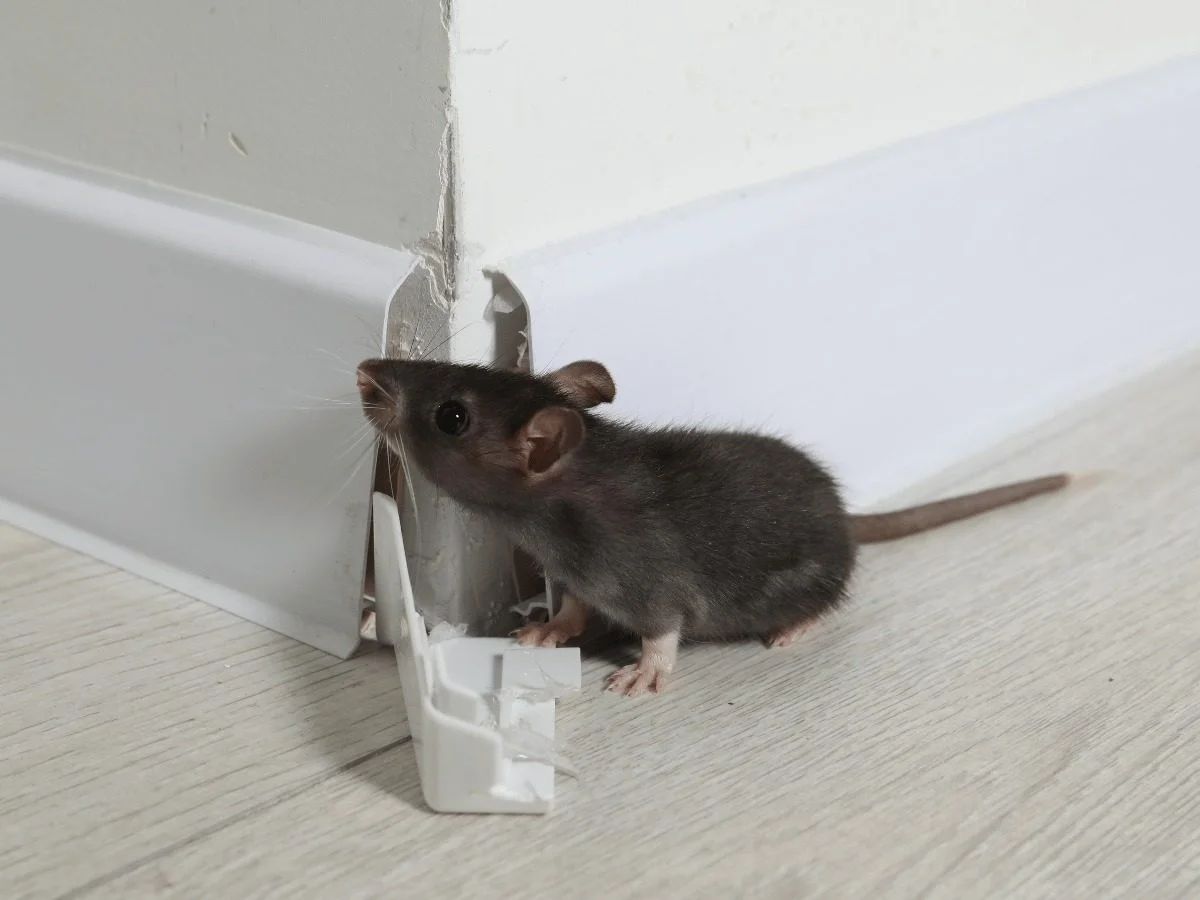
Heavy 19-gauge galvanized wire cloth bolted to roofline fascia returns, creating an impenetrable physical barrier against climbing roof rats.
Weather and Seasonal Triggers Driving Rodent Infestations in Odessa
Rodent movement across Odessa is closely tied to extreme local semi-arid weather patterns. Understanding these seasonal shifts enables our team to anticipate and intercept rodent activity before widespread damage occurs.
| Seasonal Weather Event | Environmental Impact | Resulting Rodent Behavior |
|---|---|---|
| Sudden "Blue Northers" (Nov to Feb) | Temperatures drop 30 to 45 degrees within a few hours during intense Arctic cold fronts. | Outdoor rodents experience severe thermal shock and surge into heated attics, water heater closets, and kitchen appliance cavities. |
| Arid Summer Heatwaves (June to Aug, 100°F+) | Desert scrub dries up; outdoor surface water sources evaporate completely. | Rodents migrate toward residential foundations seeking AC condensate drip lines, leaking hose bibs, and lawn irrigation heads. |
| Spring Dust Storms & High Winds (March to May) | Sustained 40+ mph winds and blowing caliche dust dislodge soffits and warp fascia returns. | Wind damage creates new physical roofline gaps, allowing agile roof rats direct access into attic insulation. |
| Flash Rains on Caliche Soils (Late Summer / Autumn) | Hard-packed caliche soil cannot absorb sudden downpours, causing rapid localized surface ponding. | Underground burrows of Norway rats and field mice flood out, forcing entire colonies upward into garages, sheds, and slab homes. |
Our 4-Step Scientific Method for Permanent Rodent Control Odessa TX Properties Demand
To guarantee permanent results without polluting your indoor living environment with hazardous poisons, our team executes a rigorous 4-step eradication and structural proofing process.
Step 1: Forensic Inspection
Step 2: Mechanical Exclusion
Step 3: Non-Chemical Trapping
Step 4: Decontamination & Attic Restoration
Step 1: Forensic Physical Inspection
We begin with a thorough examination of your entire structure, from the perimeter foundation to the roof ridge. Using high-output LED inspection lights and thermal imaging cameras, we inspect: - Every linear foot of foundation weep holes, expansion joints, and pipe penetrations. - Attic spaces for species-specific droppings, urine trails, damaged flex ductwork, and gnawed 110V/220V electrical wiring. - Roof eaves, ridge caps, plumbing vent stacks, and fascia corners. - Crawlspace subfloors and HVAC air handler enclosures.
Step 2: Precision Mechanical Structural Exclusion
Once all active and potential entry points are mapped, we physically seal them using commercial-grade, chew-proof materials: - 19-Gauge Hot-Dipped Galvanized Hardware Cloth: Heavy-duty quarter-inch steel mesh that rodent incisors cannot penetrate. - Stuf-fit Pure Copper Mesh: Tightly packed into expansion joints and irregular brick crevices; unlike steel wool, pure copper mesh will never rust, stain exterior brick, or degrade. - Polyurethane Elastomeric Sealants: Industrial-grade, UV-resistant structural adhesives that expand and contract with Odessa temperature fluctuations without cracking. - Custom Metal Flashing & Weep Hole Screens: Securing roof valleys, drip edges, and foundation mortar slots while preserving architectural airflow.
Step 3: Non-Chemical Inside Trapping and Eradication
With the exterior completely sealed, any rodents remaining inside are trapped. We do not use poison baits indoors: - We deploy commercial expanded-trigger mechanical snap traps along confirmed travel runways, rafter plates, and utility chases. - Traps are inspected, serviced, and reset until zero activity is detected across multiple consecutive days. - Every carcass is completely removed from your premises, eliminating dead animal odors and secondary fly problems.
Step 4: Biohazard Decontamination and Thermal Attic Restoration
Rodents leave behind pheromone scent trails, urine markers, droppings, and ectoparasites (fleas and mites) that attract future pests: - Negative-Air HEPA Filtration: We use commercial negative-air machines with true HEPA filtration (capturing 99.97% of particles down to 0.3 microns) to clean indoor air during remediation, protecting occupants from airborne allergens. - Hospital-Grade Virucidal Enzyme Fogging: We saturate contaminated attic framing and subfloors with an EPA-registered broad-spectrum disinfectant to neutralize dangerous pathogens and break down organic pheromones. - Insulation Restoration: We vacuum out rodent-compressed, soiled fiberglass insulation and re-blow fresh insulation to restore your home's thermal R-value, cutting electric cooling bills during brutal summer heat.
Comparison: Dedicated Structural Specialist vs. Generic Exterminators
| Evaluation Factor | Rodent Control Odessa TX | General Bug Exterminator (Boydstun, Fox, Bug Out) |
|---|---|---|
| Primary Remediation Philosophy | Permanent structural exclusion and complete mechanical eradication. | Chemical bait distribution and recurring perimeter insect spray. |
| Indoor Poison Policy | Strictly Zero Indoor Poisons. Clean mechanical snap trapping only. | Regularly tosses anticoagulant bait pellets into attics and wall voids. |
| Odor & Carcass Guarantee | 100% carcass removal; no rotting animals trapped inside walls. | No guarantee; customers frequently endure dead animal odors for weeks. |
| Structural Sealing Materials | 19-gauge galvanized steel mesh, copper mesh, and metal flashing. | Temporary spray foam or no physical exclusion repairs at all. |
| Brick Weep Hole Protection | Custom stainless steel breathable mesh inserts installed. | Weep holes left wide open or plugged with improper spray foam. |
| Attic Biohazard & HEPA Cleanup | Hospital-grade virucidal fogging and full insulation restoration. | Ignored; droppings, urine, and ectoparasites are left behind. |
| Contract Requirements | One-time permanent remediation backed by a multi-year warranty. | Pushes recurring monthly or quarterly subscription service plans. |
Critical Species Vectors Requiring Urgent Rodent Eradication in Odessa
Different rodent species exhibit distinct behaviors, biology, and nesting habits. Proper identification determines the exact trapping placement and exclusion strategy required.
1. Roof Rat (Rattus rattus)
- Identification: Slender, charcoal-gray to black body, 13 to 18 inches long from nose to tail tip. The tail is noticeably longer than the combined head and body. Large, thin ears.
- Behavior in Odessa: Excellent climbers that navigate overhead electrical wires, brick textures, and tree limbs. They nest in warm attic insulation, rafter plates, and soffit voids, creating distinct cylindrical droppings with pointed ends (1/2 inch).
- Damage: Chews through plastic PEX water pipes, strips insulation off electrical wiring, and shreds attic AC flex ducting.
2. Norway Rat (Rattus norvegicus)
- Identification: Heavy, stocky, brownish-gray body weighing up to one pound, with a blunt nose, small ears, and a tail shorter than its body.
- Behavior in Odessa: Ground dwellers and aggressive burrowers. They nest beneath concrete slabs, sidewalks, dumpster pads, and crawlspaces. Droppings are large (3/4 inch) with blunt, capsule-shaped ends.
- Damage: Undermines slab edges and chews through heavy plastic conduit and structural timbers.
3. House Mouse (Mus musculus)
- Identification: Small, dusty-gray body weighing only 1/2 to 1 ounce, with large ears and pointed snout.
- Behavior in Odessa: Prolific indoor breeders. A single female produces up to 8 litters annually. They nest inside kitchen lower cabinets, beneath ovens, inside wall voids, and behind refrigerators. Droppings are small (1/8 to 1/4 inch) resembling black grains of rice.
- Damage: Contaminates pantry foods with Salmonella and urine trails, producing 50 to 100 droppings daily.
4. Deer Mouse (Peromyscus maniculatus)
- Identification: Distinct bi-color coat (tawny brown back with pure white chest, underbelly, and feet) and large protruding black eyes.
- Local Medical Health Warning: Prevalent across West Odessa acreage, outbuildings, and garages. The deer mouse is the primary natural vector for Sin Nombre Hantavirus Pulmonary Syndrome (HPS).
- Safety Standard: Never dry sweep or vacuum deer mouse droppings. Dry sweeping aerosolizes the virus, which can cause severe respiratory disease upon inhalation. Decontamination requires full PPE, P100 respirators, and complete virucidal saturation.
5. White-Throated Woodrat / Pack Rat (Neotoma albigula)
- Identification: Medium-sized rat with soft gray-brown fur, white feet, and a moderately furry tail.
- Destructive Habit on Odessa Acreage: Famous for collecting shiny metal objects, twigs, and cactus pads to build large middens (stick nests) in crawlspaces, outbuildings, and vehicle engine bays.
- Vehicle Wiring Destruction: Pack rats cause thousands of dollars in damage across Ector County by chewing soy-based wiring harnesses, sensor lines, and battery cables on parked diesel work trucks, farm equipment, and RVs.
Transparent Pricing and Inspection Factors for Local Property Owners
A common complaint among Odessa property owners is the predatory sales tactics used by corporate pest franchises. Many homeowners report salesmen giving high-pressure "Hantavirus scare pitches" to demand $6,000 to $9,000 for basic attic cleanups without providing line-item explanations.
At Rodent Control Odessa TX, we operate with complete financial transparency. We provide clear, itemized quotes based on verifiable physical factors:
- Exterior Linear Footage and Height: The total linear perimeter of your foundation, roofline, and dormers that must be sealed.
- Number and Complexity of Entry Points: The volume of custom stainless steel weep hole covers, pipe penetration collars, and metal flashing custom-cut for your roofline junctions.
- Severity of the Established Population: The number of trapping stations and service visits required to achieve verified 100% eradication.
- Attic Biohazard & Insulation Condition: Whether your property requires simple spot sanitization or full negative-air HEPA extraction, enzyme deodorization fogging, and blown insulation replacement.
Texas Homeowners Insurance Reality Check
Homeowners frequently ask if their property insurance covers rodent exclusion or damage repair. In the state of Texas, standard homeowners insurance policies specifically exclude rodent and vermin damage, classifying it as preventable maintenance. The single potential exception is a sudden house fire caused by chewed electrical wiring; however, the cost of removing the rodents, repairing entry points, and cleaning contaminated insulation is entirely out of pocket. Investing in early, professional structural exclusion protects your real estate investment from severe, uninsurable losses.
Local Service Area Perimeter in Odessa, Texas
Our mobile inspection and remediation units are based at 505 Stoddard St, Odessa, TX 79762. We provide rapid response dispatch throughout all neighborhoods, ZIP codes, and commercial districts across Odessa and immediate Ector County:
- Central & Historic Odessa (79761, 79762): Sherwood, Crescent Park, Lawndale, University Gardens, Odessa College area, Medical Center Hospital (MCH) district.
- Northeast Odessa & Hwy 191 Corridor (79765): Parks Bell Ranch, Mission Dorado, Country Club Estates, UTPB campus area, Ratliff Stadium corridor.
- West Odessa & Rural Acreage (79763, 79764): West 16th St, 42nd St extension, caliche ranch parcels, and industrial outbuilding tracts.
- Industrial & Commercial Corridors: Loop 338 industrial beltway, Interstate 20 supply yards, 42nd Street retail corridor, 8th Street commercial corridor, Ector County Coliseum area.
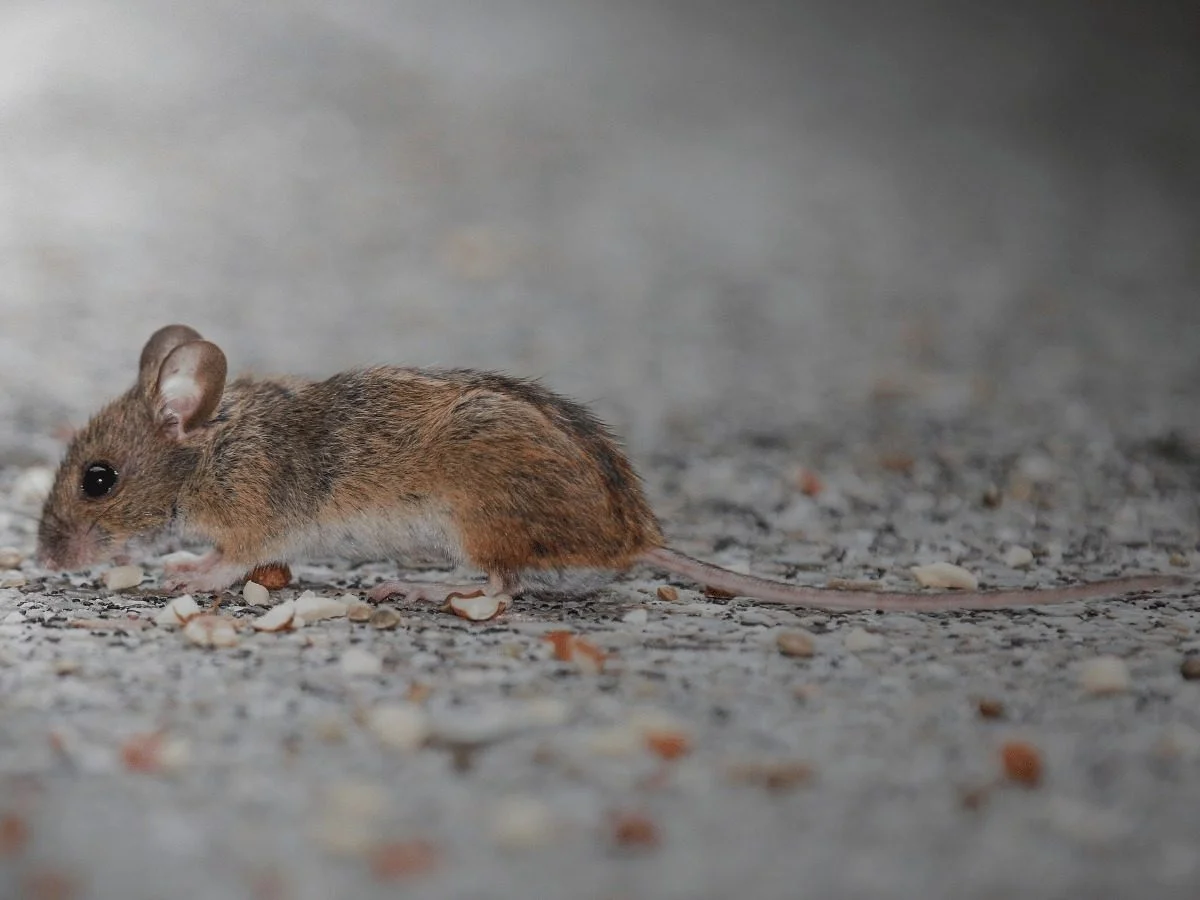
Technician conducting high-output thermal attic inspection to detect rodent runways, nesting points, and compromised ductwork.
Frequently Asked Questions About Local Rodent Eradication
How do rodents get into brick slab homes in Odessa?
Rodents enter brick slab homes primarily through open weep holes in exterior mortar joints, warped garage door weatherstripping, and degraded rubber boots around outdoor AC refrigerant lines. Roof rats climb brick corners and utility conduits to access unmeshed soffit vents and gaps where roof fascia meets masonry walls.
Why should I never use poison baits inside my house?
Poison bait causes rodents to retreat into dark, inaccessible wall voids, subfloors, or ceiling joists before dying. In Odessa summer heat, decomposing carcasses produce intense odors for three to four weeks, triggering secondary infestations of blowflies and maggots. Poison baits also pose severe secondary poisoning risks to household dogs and cats.
How do I know if I have roof rats or mice in my attic?
Roof rats leave cylindrical droppings (1/2 inch) with pointed tips, make heavy scuttling and gnawing sounds in the ceiling between midnight and dawn, and leave dark, greasy rub marks along wooden rafter plates. Mice leave small droppings (1/4 inch) resembling black rice and nest inside lower cabinets, wall cavities, and appliance motor compartments.
Can rodents chew through standard expanding spray foam?
Yes. Standard polyurethane expanding spray foam offers zero resistance to rodent incisors. Rats and mice can chew through cured foam within hours. Permanent structural exclusion requires 19-gauge hot-dipped galvanized hardware cloth, pure copper mesh (Stuf-fit), or stainless steel wool embedded within industrial-grade elastomeric sealants.
How much does professional rodent exclusion cost in Odessa, Texas?
Rodent control costs depend on the linear footage of the home, the number of structural entry points requiring custom metal flashing, and the condition of the attic. Simple exterior trapping programs typically range from $250 to $450, while comprehensive permanent structural exclusion with a written warranty generally ranges from $700 to $1,800.
What should I do if pack rats are chewing my vehicle wiring in West Odessa?
Park the vehicle in a sealed garage or on a clean concrete pad away from desert scrub and firewood piles. Professional exclusion involves installing perimeter bait stations around parking areas, sealing nearby outbuildings, and removing stick middens. In engine bays, technicians clean urine pheromones and apply specialized non-hazardous rodent deterrent wraps to vulnerable wire harnesses.
Schedule an Inspection with Odessa Dedicated Rodent Specialists
Do not wait for scratched ceiling noises to turn into chewed electrical wiring or fouled attic insulation. Protect your property with the proven, permanent structural solution.
- Company: Rodent Control Odessa TX
- Physical Address: 505 Stoddard St, Odessa, TX 79762
- Direct Telephone Dispatch: (432) 319-8327
- Operating Hours: Open 24/7 | Emergency Weekend Dispatch Available
- Service Radius: Odessa, West Odessa, and all surrounding Ector County communities.
Call (432) 319-8327 right now to speak directly with an experienced local specialist and secure your on-site forensic inspection.