Why Permanent Rodent Exclusion Odessa TX Properties Need Beats Ongoing Poison Baits
Traditional exterminators in Odessa rely on chemical rodenticide baits because recurring chemical applications generate ongoing monthly revenue. However, chemical baiting inside or outside an unsealed home creates serious long-term hazards:
- Poison Never Fixes the Exterior Entry Holes: Throwing bait blocks into an attic or yard does nothing to stop new rodents from entering. As long as structural voids remain open along your brick weep holes, AC line chases, or roof eaves, outdoor rodents will continue to replace those that die.
- The Rotting Carcass Hazard: Rodents poisoned indoors do not leave the home to search for water. They retreat into dark, secluded areas such as interior wall cavities behind drywall, insulation beneath bathtubs, or ceiling joists requiring attic decontamination and cleanout. When they die, their bodies decompose over three to four weeks in Odessa summer heat, creating putrid odors and attracting blowflies, flesh flies, and dermestid beetles.
- Secondary Toxicity Risks: Anticoagulant baits present acute poisoning risks to domestic pets (dogs and cats) that consume scattered bait chunks or catch lethargic poisoned rodents.
- The Permanent Financial Cure: Professional mechanical exclusion addresses the physical vulnerability of the building. Once a home is properly sealed with gnaw-proof materials, it remains protected indefinitely, eliminating the need for recurring monthly pest contracts.
The Materials We Use for Guaranteed Rodent Exclusion Odessa TX Structures Require
A common mistake made by inexperienced contractors and DIY homeowners is using standard expanding polyurethane spray foam to seal holes. Rodent incisors grow continuously at a rate of up to 5 inches per year and have a hardness rating comparable to copper. Rodents can chew through dried expanding spray foam in less than an hour.
At Rodent Control Odessa TX, we install only commercial-grade, chew-proof materials engineered specifically to resist rodent gnawing:
1. 19-Gauge Hot-Dipped Galvanized Hardware Cloth
We utilize quarter-inch 19-gauge hot-dipped galvanized steel mesh for covering large crawlspace foundation vents, attic gable louvers, soffit intake vents, and plumbing subfloor penetrations. The heavy zinc coating prevents rust and corrosion from Odessa weather, while the tight 1/4-inch grid stops even juvenile house mice.
2. Stuf-fit Pure Copper Mesh
For irregular expansion joints, masonry cracks, and tight utility openings, we pack voids with Stuf-fit knitted pure copper mesh. Unlike steel wool, pure copper mesh will never rust, degrade, or leave unsightly orange rust stains across your exterior brick or stucco when exposed to rain. Its interlocking loop structure catches aggressively in rodent teeth, stopping gnawing attempts immediately.
3. Polyurethane Elastomeric Structural Sealants
We bed our mesh barriers into high-performance, commercial-grade elastomeric sealants. Unlike cheap silicone or latex caulk that dries brittle and cracks under Odessa sun exposure, our elastomeric sealants remain flexible through extreme freeze-thaw cycles, maintaining a permanent airtight and watertight structural bond.
4. Custom-Fabricated Heavy Metal Flashing
For roof valleys, drip edges, fascia corners, and overhead door jambs, we custom-bend 26-gauge galvanized sheet metal on-site. These custom metal shields cover gnawed wood corners and transition seams where climbing roof rats attempt to force entry.
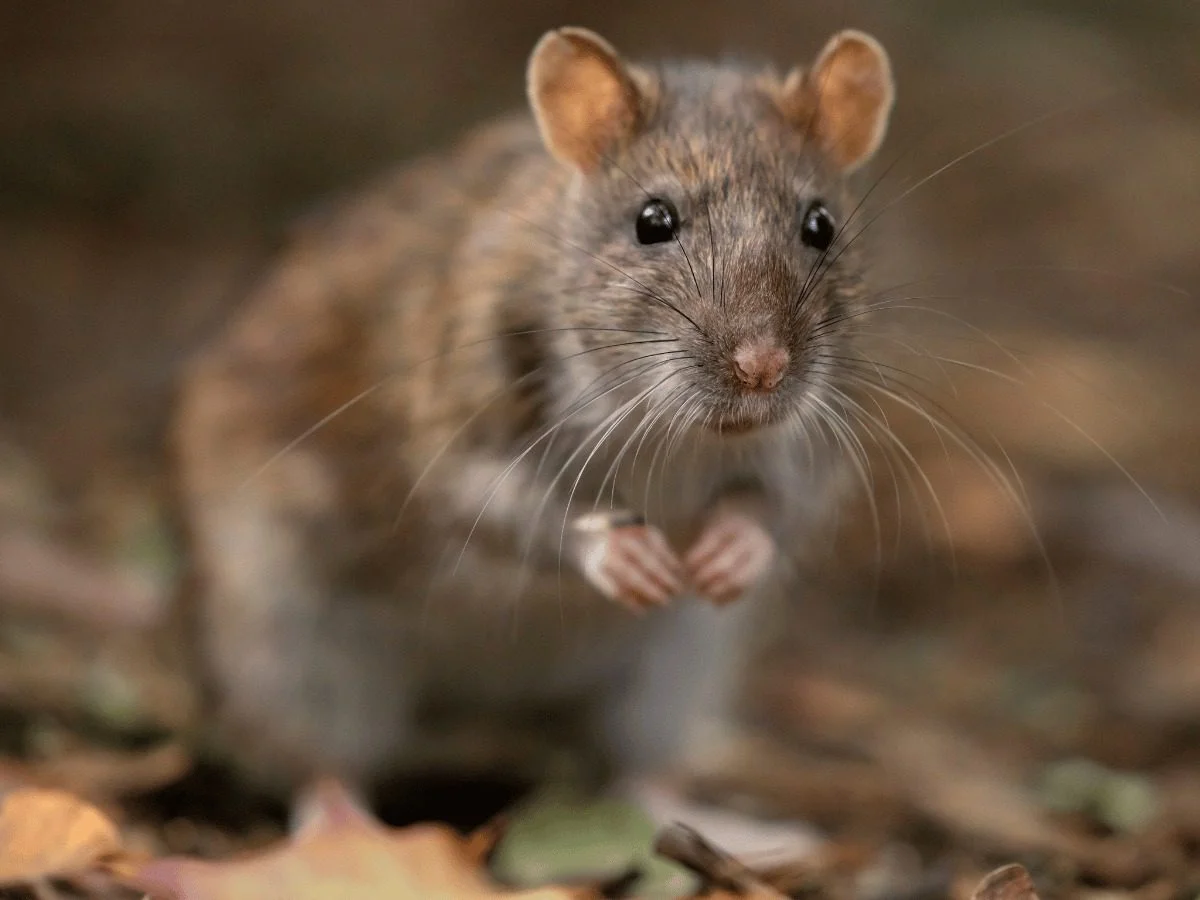
Spring-tensioned stainless steel weep inserts installed along exterior brick veneer, allowing wall cavity breathing while blocking mice.
Critical Vulnerability Zones Targeted for Rodent Exclusion Odessa TX Residences
Every home in Odessa has structural transition points where different building materials meet. Our comprehensive physical inspection targets every potential vulnerability:
Roofline & Fascia Returns
High-elevation access for climbing roof rats
AC Refrigerant Line Chases
Mid-wall entry into utility chases
Brick Veneer Weep Holes
Ground-level highways for house mice
Crawlspace Foundation Vents
Subfloor entry for Norway rats & mice
High-Elevation Roofline & Soffit Junctions
Roof rats (Rattus rattus) are agile climbers that use overhead utility drops, tree canopies, and textured brick corners to reach your roof. Key high-level breach points include: - Fascia Returns and Roof Valleys: The junction where sloping roof fascia meets the exterior wall frequently leaves an unsealed triangular gap directly into the attic. - Attic Ridge Caps and Ridge Vents: Plastic ridge vent caps warped by the hot sun allow rats to crawl beneath roofing shingles. - Plumbing Vent Stacks: Gaps between lead roof flashing boots and PVC vent pipes allow rats to slide down wall studs directly into kitchen and bathroom utility chases.
Ground-Level and Slab Transitions
Ground-dwelling pests like the house mouse (Mus musculus) and Norway rat (Rattus norvegicus) exploit lower perimeter seams: - Garage Door Corner Gaskets: The bottom rubber astragal seals on garage doors wear out or tear at the outer corners, allowing rodents easy entry into garages and adjacent utility rooms. - Exterior Water Hose Bibs & Gas Penetrations: Oversized holes drilled through exterior masonry for water spigots or natural gas pipes provide direct entry into wall cavities. - Foundation Expansion Joints: Settling of caliche soil creates gaps between concrete flatwork (patios, driveways, sidewalks) and the foundation slab.
Specialized Weep Hole Covers Odessa TX Brick Homes Require for Mouse Defense
Brick veneer construction is standard throughout Odessa neighborhoods such as Parks Bell Ranch, Mission Dorado, and Country Club Estates. While brick provides outstanding durability and insulation, it presents a primary vulnerability: the weep hole.
The Weep Hole Dilemma
Weep holes are vertical gaps left in the bottom mortar course of brick exterior walls. Their architectural purpose is vital: they allow moisture condensing inside wall cavities to drain outside and permit ventilation air to circulate behind the brick veneer.
However, an unprotected weep hole is typically 3/8-inch wide and 2 to 3 inches tall. Because an adult mouse needs only 1/4 inch to squeeze its skull through, an open weep hole is an unrestricted invitation into your wall framing.
The Danger of Improper Sealing
Many homeowners and unqualified pest handymen plug weep holes with standard expanding foam, caulk, or solid mortar: - Solid Sealing Destroys Ventilation: Filling weep holes with solid mortar or caulk traps internal moisture inside your walls, leading to hidden wood rot, structural framing damage, and toxic indoor mold. - Spray Foam Fails: Rodents simply chew through the foam within days, leaving unsightly yellow foam residue clinging to your brick.
Our Professional Solution
We install custom-fitted, spring-loaded stainless steel weep hole covers. These specialized inserts feature microscopic laser-cut drainage slots that: - Completely block mice, rats, snakes, and scorpions with chew-proof stainless steel. - Maintain 100% of the manufacturer-specified ventilation and drainage capacity of your brick wall system. - Lock securely into place using tension springs, preventing rodents from dislodging them.
Comprehensive Rat Proofing Odessa Texas Acreage and Outbuildings Demand
Homes on acreage tracts across West Odessa face aggressive pressure from desert woodrats (pack rats) and field mice. Outbuildings, shops, and equipment storage require specialized exclusion techniques:
Mobile Home Belly Board Protection
Manufactured homes feature a flexible woven fabric underbelly (belly board) that protects subfloor insulation and ductwork. Rodents tear through this fabric to nest in warm fiberglass insulation: - We secure damaged underbelly areas using galvanized hardware cloth shields bolted directly to the steel I-beam frame. - We install rigid metal skirting guards trenched into the surrounding caliche ground to prevent rodents from burrowing beneath perimeter skirting.
Detached Metal Workshops & Barndominiums
Commercial shops and barndominiums along Loop 338 and I-20 feature corrugated metal siding: - Foam Closure Strip Replacement: Rodents easily chew through foam closure strips under metal roof ribs and wall base trims. We replace them with custom-cut metal closures or pack rib profiles with copper mesh embedded in industrial sealants. - Roll-Up Overhead Door Astragal Seals: We retrofit overhead rolling doors with heavy-duty aluminum retainer tracks and brush-style seals that rodents cannot bypass.
Our Step-by-Step Architectural Protocol for Structural Sealing and Trapping
To ensure that no structural opening is missed, our technicians execute a systematic 5-phase exclusion protocol on every property:
Phase 1: 360-Degree Physical Inspection
Phase 2: Custom Material Fabrication
Phase 3: Exterior Barrier Installation
Phase 4: Interior Trapping & Cleardown
Phase 5: Final Integrity Verification
Phase 1: 360-Degree Physical Inspection
We inspect every square foot of your exterior perimeter, foundation, roofline, and attic space. We map every breach on an architectural inspection diagram, noting entry dimensions, species signs, and material requirements.
Phase 2: Custom Material Fabrication
Because no two homes in Odessa have identical construction dimensions, our service trucks carry mobile sheet metal brakes and fabrication equipment. We cut and form custom stainless steel covers, galvanized mesh panels, and metal flashing to fit your home's exact architectural profiles.
Phase 3: Exterior Barrier Installation
Technicians systematically seal all mapped entry points from the ground up: - Weep holes fitted with stainless steel breathers. - Pipe penetrations sealed with copper mesh and elastomeric mastic. - Crawlspace foundation vents replaced with 19-gauge galvanized screen assemblies. - Roofline fascia transitions, valley junctions, and vent stacks capped with chew-proof metal.
Phase 4: Interior Trapping & Cleardown
Once the exterior envelope is 100% sealed, any rodents remaining inside are trapped. We deploy high-leverage commercial snap traps along confirmed runways to remove the existing indoor population. We service these traps regularly until zero activity is recorded across multiple consecutive days.
Phase 5: Final Integrity Verification & Warranty Issuance
After the indoor population is verified completely clear, a senior lead technician performs a final structural audit to verify that all seals remain completely intact. We then issue our written structural exclusion warranty.
Comparison: Master Exclusion Craftsmanship vs. Quick Exterminator Foam
| Comparison Feature | Rodent Control Odessa TX (Exclusion Standard) | General Exterminator / DIY Approach |
|---|---|---|
| Primary Sealing Material | 19-gauge hot-dipped galvanized mesh and copper cloth. | Expanding canned polyurethane spray foam. |
| Rodent Gnaw Resistance | 100% chew-proof; metal barriers cannot be penetrated. | Fails in hours; rodents chew through foam immediately. |
| Brick Weep Hole Treatment | Stainless steel spring-loaded breathable covers. | Filled with caulk (traps moisture) or left open. |
| Weather & UV Durability | Commercial elastomeric sealants engineered for Odessa summer heat. | Standard silicone or latex caulk that dries brittle and cracks. |
| Wall Cavity Ventilation | Fully preserved; prevents moisture rot and mold. | Blocked or compromised by improper sealants. |
| Long-Term Protection | Permanent architectural physical barrier. | Temporary fix requiring monthly chemical re-applications. |
| Warranty Coverage | Multi-year written structural exclusion warranty. | None; customer pays recurring monthly service fees. |
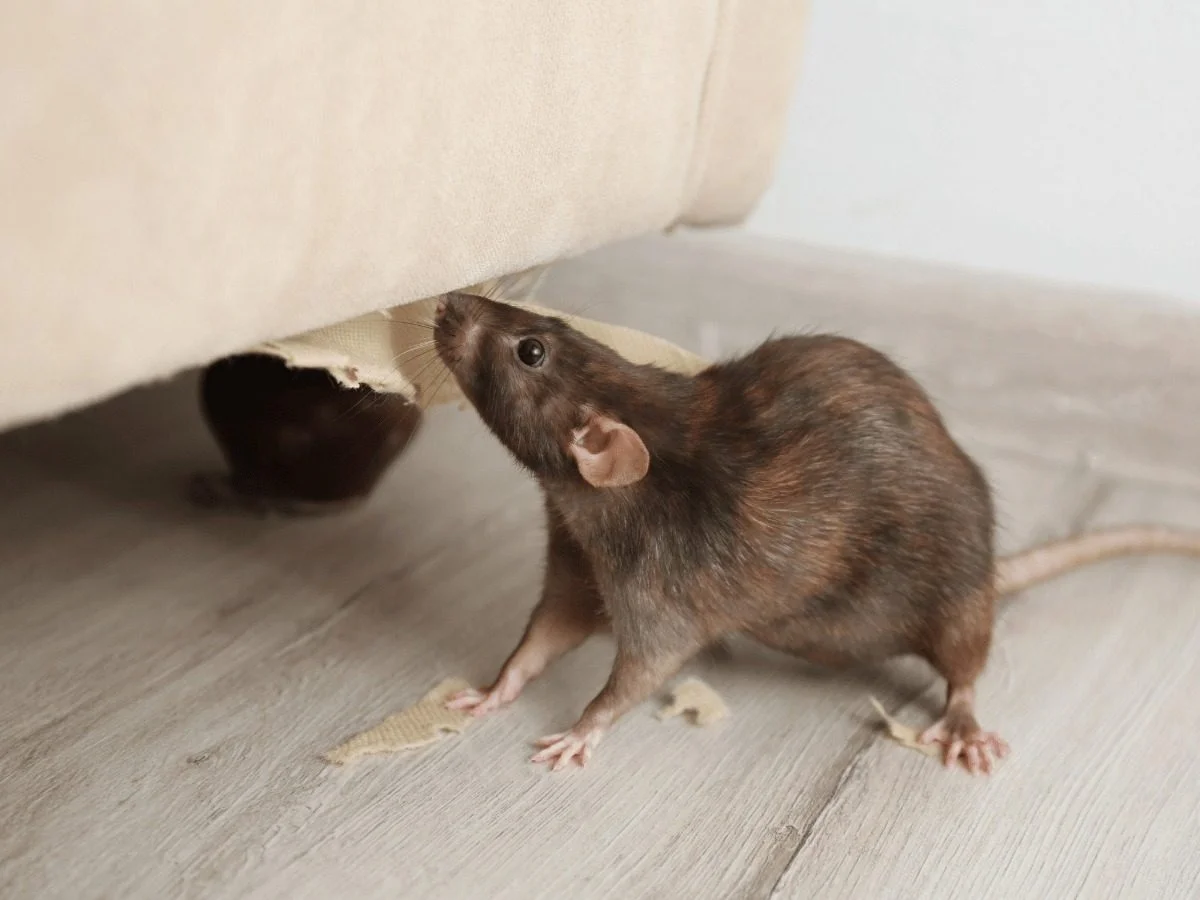
Heavy wire cloth collar embedded in commercial urethane mastic around AC refrigerant line penetrations to eliminate wall access.
Frequently Asked Questions About Structural Exclusion in Odessa
What is the difference between rodent control and rodent exclusion?
Rodent control is a broad term that often refers only to killing rodents using poison baits or traps. Rodent exclusion is the permanent structural sealing of all potential entry points on a building using chew-proof materials like steel mesh, metal flashing, and industrial sealants. Exclusion stops rodents from ever getting inside.
How long does a complete rodent exclusion service take on an Odessa home?
A typical residential exclusion project on a 2,000 to 3,500 square foot home takes between one and two full working days. This includes a full exterior perimeter seal, weep hole cover installations, roofline flashing, and setting indoor trapping arrays.
Will sealing my weep holes cause moisture damage or mold inside my walls?
No, not with our method. We never use solid caulk, expanding foam, or mortar in weep holes. We install custom stainless steel spring-loaded covers featuring precision drainage slots that maintain 100% of your home's required airflow and water drainage while blocking rodents.
Can rats chew through copper mesh?
No. Pure copper mesh (such as Stuf-fit) is knitted into an interlocking wire pattern. When rodents attempt to bite it, the copper wire loops flex and wedge between their incisors, causing pain and making it physically impossible for them to chew through. Furthermore, copper will never rust or stain your exterior brick.
Do you offer a warranty on your rodent exclusion repairs?
Yes. We back our complete structural exclusion services with a comprehensive written warranty. If rodents chew through or bypass any barrier installed by our technicians during the warranty period, our team will return, re-secure the entry point, and clear any new activity at no additional charge.
Schedule Your Odessa Structural Exclusion Assessment Today
Stop wasting money on monthly poison applications that leave dead animals in your walls. Protect your home with permanent, chew-proof architectural exclusion.
- Service Company: Rodent Control Odessa TX
- Physical Headquarters: 505 Stoddard St, Odessa, TX 79762
- Direct Dispatch Hotline: (432) 319-8327
- Operating Hours: Open 24/7 | Emergency Weekend Dispatch Available
- Service Coverage Area: All of Odessa, West Odessa, and immediate Ector County neighborhoods (ZIP codes 79761, 79762, 79763, 79764, and 79765).
Call (432) 319-8327 now to speak with a structural exclusion specialist and book your on-site physical property inspection.