
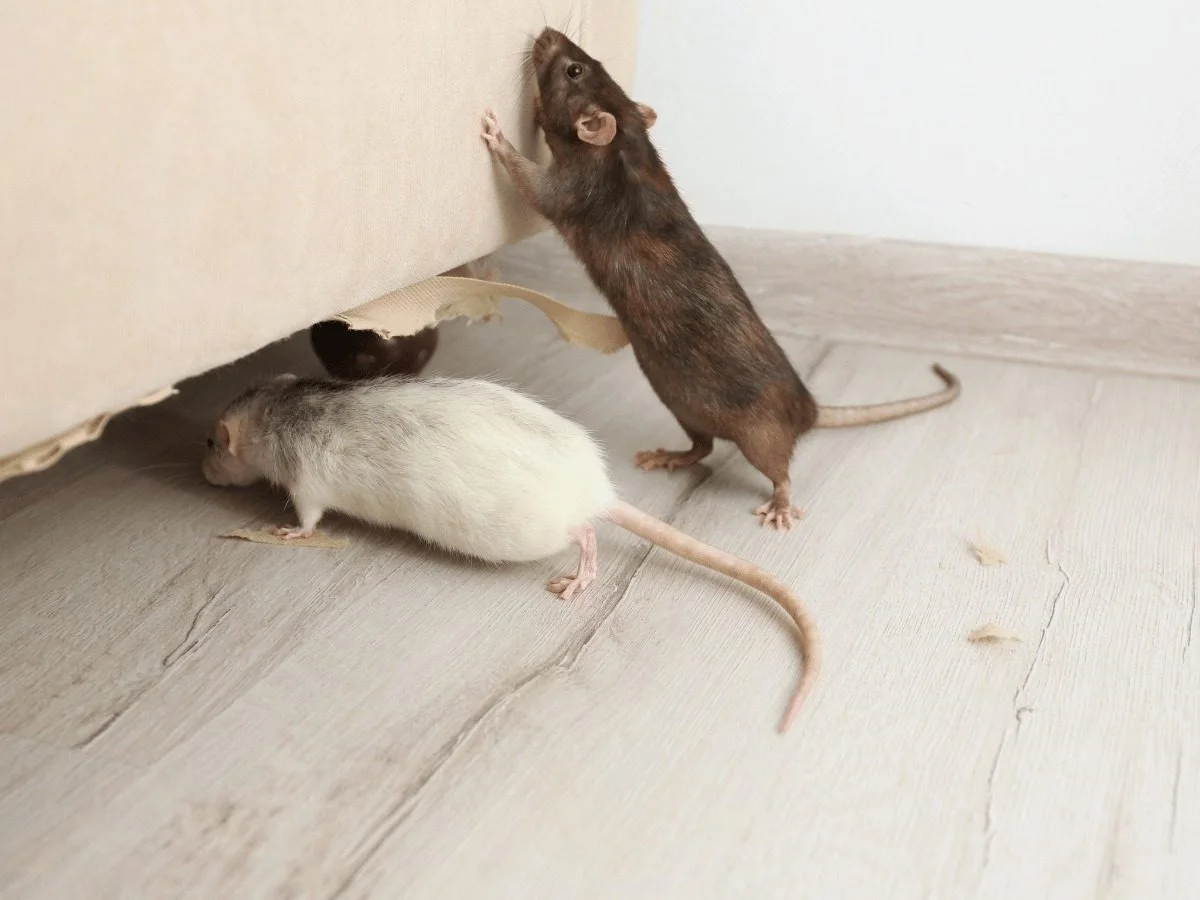
When Urgent Situations Require Emergency Rodent Control Odessa TX
Not every pest scenario warrants immediate nighttime mobilization, but specific structural and biological rodent hazards present severe health, safety, and fire liabilities that require immediate professional intervention.
1. Active Indoor Encounters in Living Spaces
Finding a mouse or rat inside food preparation areas, bedrooms, or infant nurseries requires rapid containment. Wild rodents carry viral and bacterial pathogens including Salmonellosis, Leptospirosis, and Lymphocytic Choriomeningitis (LCMV). Rodents that find their way into living spaces often indicate extreme population pressure within wall cavities or attics, forcing subordinate animals into open rooms.
2. Aggressive Nocturnal Gnawing Near Electrical Wiring
Hearing frantic, loud gnawing sounds directly overhead or inside bedroom walls frequently signals that rats or mice are chewing through building infrastructure. Rodent incisors grow continuously at a rate of 4 to 5 inches per year, requiring daily grinding against hard surfaces. In modern Odessa residential homes, rodents regularly gnaw through plastic PEX plumbing pipes and polymer electrical wiring insulation. Exposed hot wiring arcing against wooden framing is a primary hidden cause of residential structural fires in West Texas.
3. Commercial Food Service and Industrial Supply Emergencies
Odessa restaurants, grocery distribution facilities, and oilfield logistics yards face catastrophic regulatory shutdowns if rodent droppings or live pests are discovered during operating hours. Emergency containment isolates the ingress zone, deploys tamper-resistant mechanical capture devices, and provides immediate documentation for local health inspectors.
Emergency Triage via Phone
Rapid Mobile Deployment
Thermal Diagnostic Audit
Mechanical Containment & Proofing
Our 24-Hour Protocol for Emergency Rodent Control Odessa TX Properties
Emergency rodent intervention requires a calculated scientific approach rather than erratic chemical spraying. Placing anticoagulant bait pellets during an emergency is disastrous: poisoned rodents crawl into deep, inaccessible wall voids or air conditioning returns to die slowly over 3 to 7 days, producing unbearable decaying carcass odors in West Texas heat.
Step 1: Immediate Triage and Mobile Dispatch
When property owners contact our central Odessa dispatch at (432) 319-8327, an experienced senior technician conducts an immediate verbal hazard assessment. We determine the exact rodent species involved, assess human and pet safety risks, and dispatch a fully stocked service vehicle from 505 Stoddard St.
Step 2: High-Output Thermal and Acoustic Diagnostic Inspection
Upon arrival, technicians utilize high-lumen inspection lighting, thermal imaging scopes, and acoustic listening devices. We trace active travel runways along ceiling joists, identify fresh sebum grease marks, and locate primary exterior ingress vectors such as uncapped weep holes, degraded AC refrigerant collars, or roofline fascia returns.
Step 3: High-Density Enclosed Mechanical Runway Trapping
Technicians deploy commercial-grade expanded-trigger snap traps inside heavy tamper-resistant enclosures. Traps are placed directly along identified scent runways where rodents are biologically compelled to travel. This mechanical setup eliminates the active population within hours without contaminating interior air or leaving hidden carcasses.
Step 4: Rapid Temporary Barrier Sealing
Before leaving the property, technicians install immediate temporary physical barriers across identified ingress points using high-density copper mesh and heavy wire cloth. This critical step prevents new foraging rodents from entering while the existing inside population is captured.
| Emergency Service Factor | Standard Pest Sprayers | Rodent Control Odessa TX | | :--- | :--- | :--- | | Response Window | Next business day or 48-72 hours | Immediate 24/7 priority mobile dispatch | | Inside Eradication Method | Loose poison pellets or anticoagulant blocks | Enclosed mechanical snap traps and runway capture | | Carcass Risk | High risk of dead rodents rotting in walls | Zero indoor poison; 100% carcass accountability | | Exterior Ingress Action | None; general spray around foundation | Immediate temporary physical chew-proof barriers | | Odessa Geographic Focus | Dispersed regional routes | Local central Odessa staging at 505 Stoddard St |
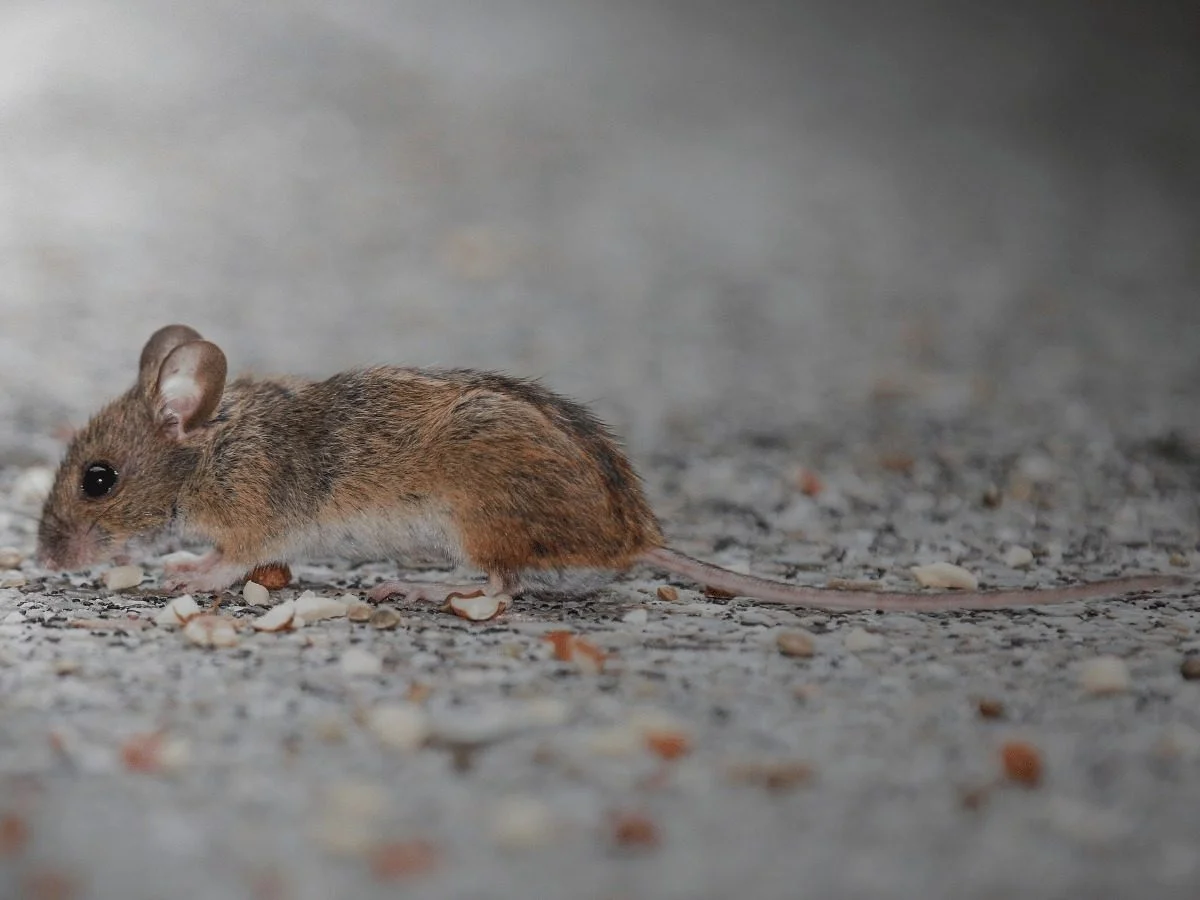
Rapid deployment staging commercial snap traps, HEPA respirators, and 19-gauge steel hardware cloth for immediate same-day containment.
Commercial and Residential Emergency Rodent Control Odessa TX Readiness
Emergency rodent activity varies across Odessa neighborhoods depending on architectural construction, proximity to open rangeland, and local commercial infrastructure.
Slab-on-Grade Subdivisions (Parks Bell Ranch & Mission Dorado)
Modern subdivisions in northeast Odessa often experience sudden field mouse incursions following rapid seasonal temperature changes or desert land clearing. Displaced mice enter unprotected brick weep holes and utility line chases, rapidly reaching kitchen pantries and laundry room cabinets. Our emergency units install specialized stainless steel weep hole inserts and seal exterior line penetrations immediately.
Historic Pier-and-Beam Homes (Sherwood & Crescent Park)
Established residential areas with crawlspace foundations are vulnerable to sudden burrowing Norway rat invasions. Broken subfloor plumbing cutouts beneath bathtubs and rusted foundation vents allow rodents direct access into living areas. We deploy heavy subfloor wire cloth barriers and seal interior plumbing collars during emergency visits.
Commercial Warehouses and Industrial Yards (Loop 338 & I-20)
Commercial supply depots, caliche yards, and barndominiums throughout industrial Odessa face aggressive pack rat and roof rat pressures. Desert pack rats invade vehicle engine compartments, chewing heavy-gauge wiring harnesses on fleet equipment overnight. Emergency technicians clear engine bays, install wire shield barriers, and establish high-capacity perimeter containment grids.
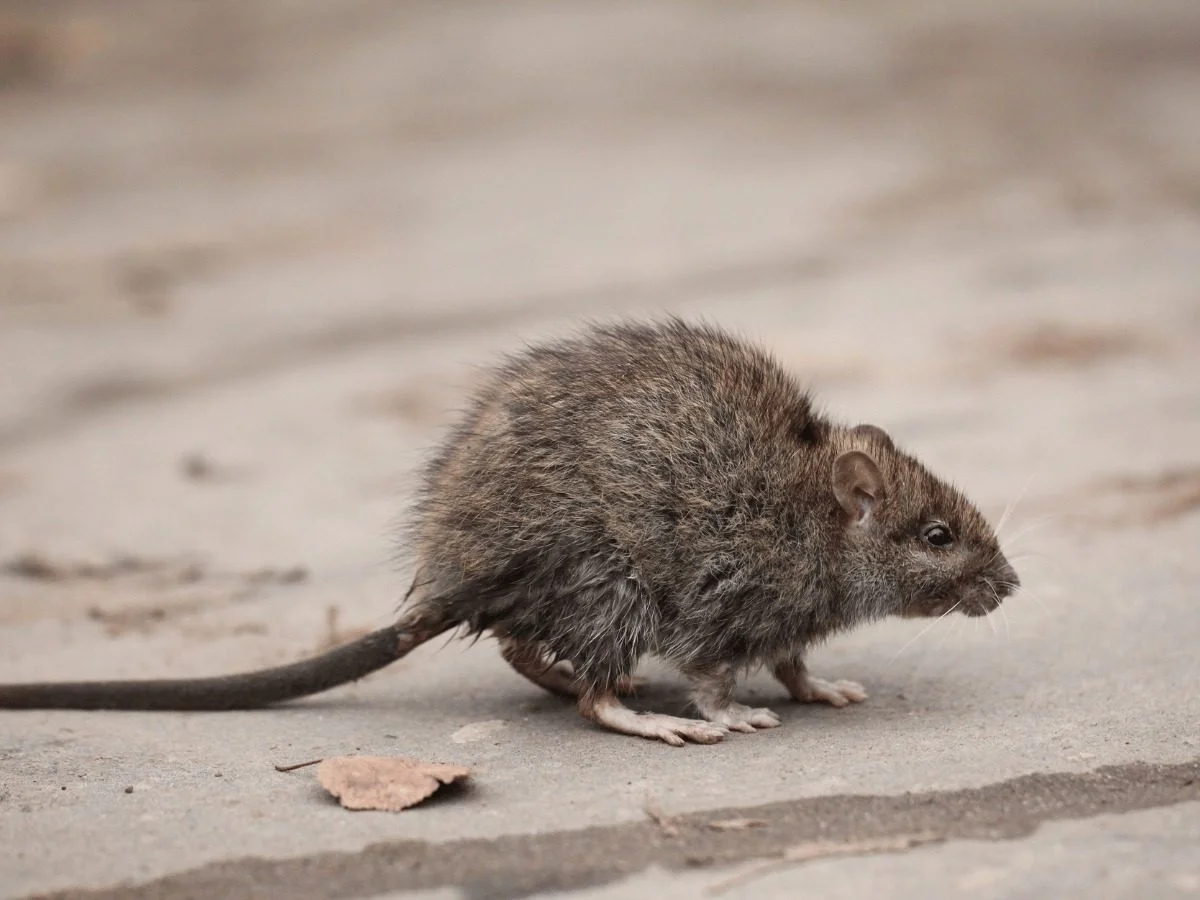
High-lumen forensic inspection tracing fresh nocturnal rub marks and primary chewing ingress points during emergency calls.
Frequently Asked Questions
What constitutes a rodent emergency in Odessa?
A rodent emergency occurs when wild rats or mice are actively observed inside living areas, kitchens, or infant bedrooms, when loud gnawing sounds near electrical wiring indicate imminent fire or pipe hazards, or when commercial facilities face immediate health inspection failure.
How quickly does an emergency technician arrive on site?
Operating from 505 Stoddard St in central Odessa, our emergency technicians provide rapid dispatch across all Odessa ZIP codes (79761, 79762, 79763, 79764, 79765), arriving equipped with commercial exclusion materials and precision trapping hardware.
Why do you avoid indoor poisons during emergency calls?
Poison baits take 4 to 7 days to kill rodents and cause animals to crawl into interior drywall voids, under bathtubs, or inside air ducts to die. In warm West Texas temperatures, dead animal carcasses create severe biohazards, intolerable odors, and blowfly infestations. Clean mechanical trapping removes rodents immediately with 100% carcass retrieval.
What should homeowners do while waiting for the emergency technician?
Keep children and pets away from the room where rodent activity was observed, close interior doors to contain the animal to a single room, and avoid sweeping or vacuuming droppings with a household vacuum, which aerosolizes dangerous pathogens.
Does emergency rodent control include permanent structural exclusion?
Emergency visits focus on immediate hazard stabilization, rapid mechanical capture, and temporary entry point sealing. Following emergency containment, our team provides a comprehensive inspection proposal for permanent, warranty-backed structural exclusion.