Why Professional Attic Rodent Removal Odessa Homeowners Choose Outperforms DIY Traps
Attempting to resolve an attic rodent infestation with hardware-store snap traps or poison pellets almost always results in recurring frustration and property damage:
- The Poison Disaster in Wall Chases: Throwing commercial poison blocks into an attic is the worst mistake a property owner can make. Poisoned rodents become disoriented and crawl into low-clearance soffits, interior wall stud cavities, or beneath subfloor decking to die. In the Odessa climate, where attic temperatures frequently surpass 130 degrees during summer, a decomposing rat carcass produces a sickening, unbearable odor that permeates your living space for up to a month, accompanied by swarms of blowflies and dermestid beetles.
- Traps Alone Do Not Prevent Recurrence: Setting a few wooden snap traps near the attic scuttle hole may catch two or three juvenile rodents, but it leaves established nesting colonies untouched. More critically, if exterior roofline gaps remain unsealed, new rodents will continually invade to replace the ones you caught.
- Unaddressed Biohazard Accumulation: Rodents deposit up to 80 droppings and hundreds of micro-droplets of urine daily. Leaving contaminated insulation in place allows hazardous pathogens, foul odors, and strong pheromones to linger indefinitely. These pheromone runways act as chemical beacons, drawing outdoor rodents straight toward your roofline.
Common Signs Indicating Active Rats in Attic Odessa TX Properties Experience
Because roof rats (Rattus rattus) are strictly nocturnal, homeowners rarely see the animals during daylight hours. However, their presence produces unmistakable physical evidence:
Midnight to 4 AM Scratching Overhead
Cylindrical 1/2-Inch Pointed Droppings
Dark Sebum Rub Marks Along Attic Joists
Chewed Flex Ducting & Exposed Copper Wires
1. Distinctive Audio Clues Between Midnight and 4:00 AM
Roof rats are light, fast-moving arboreal rodents. Homeowners typically report hearing quick pitter-patter scuttling across drywall ceiling panels, distinct gnawing sounds on wooden ceiling joists, and occasional high-pitched squeaks directly above master bedrooms or hallways during the quietest hours of the night.
2. Cylindrical Droppings Along Rafter Runways
Roof rat droppings are 1/2-inch long, cylindrical in shape, and feature tapered, pointed ends. Fresh droppings appear dark black and pliable, while older droppings appear hard and dull gray. They accumulate along major structural pathways, near HVAC air handlers, and inside thermal insulation depressions.
3. Dark, Greasy Sebum Rub Marks
Rats have poor eyesight and navigate by memory and tactile feedback. Their fur carries natural body oils (sebum) and outdoor grime. As rats repeatedly travel along wooden ceiling rafters, electrical conduit pipes, and roof trusses, they leave dark, greasy smudge marks and sebum trails.
4. Chewed 110V/220V Electrical Wiring
Rodents possess open-rooted incisors that grow constantly at a rate of several inches per year. To keep their teeth sharp and worn down, they gnaw relentlessly on building materials. In Odessa attics, rodents frequently strip plastic insulation off electrical wiring, exposing live copper conductors and creating severe hidden house fire hazards.
5. Shredded Flexible HVAC Ductwork
During Odessa’s brutal summer heat waves, rodents seek the cool airflow escaping from flexible duct lines. They gnaw through the outer foil jacket and shred inner fiberglass batting, puncturing the inner plastic core. This causes cooled air to blow directly into the attic, driving up your electric utility bills while causing bedrooms to remain uncomfortably warm.
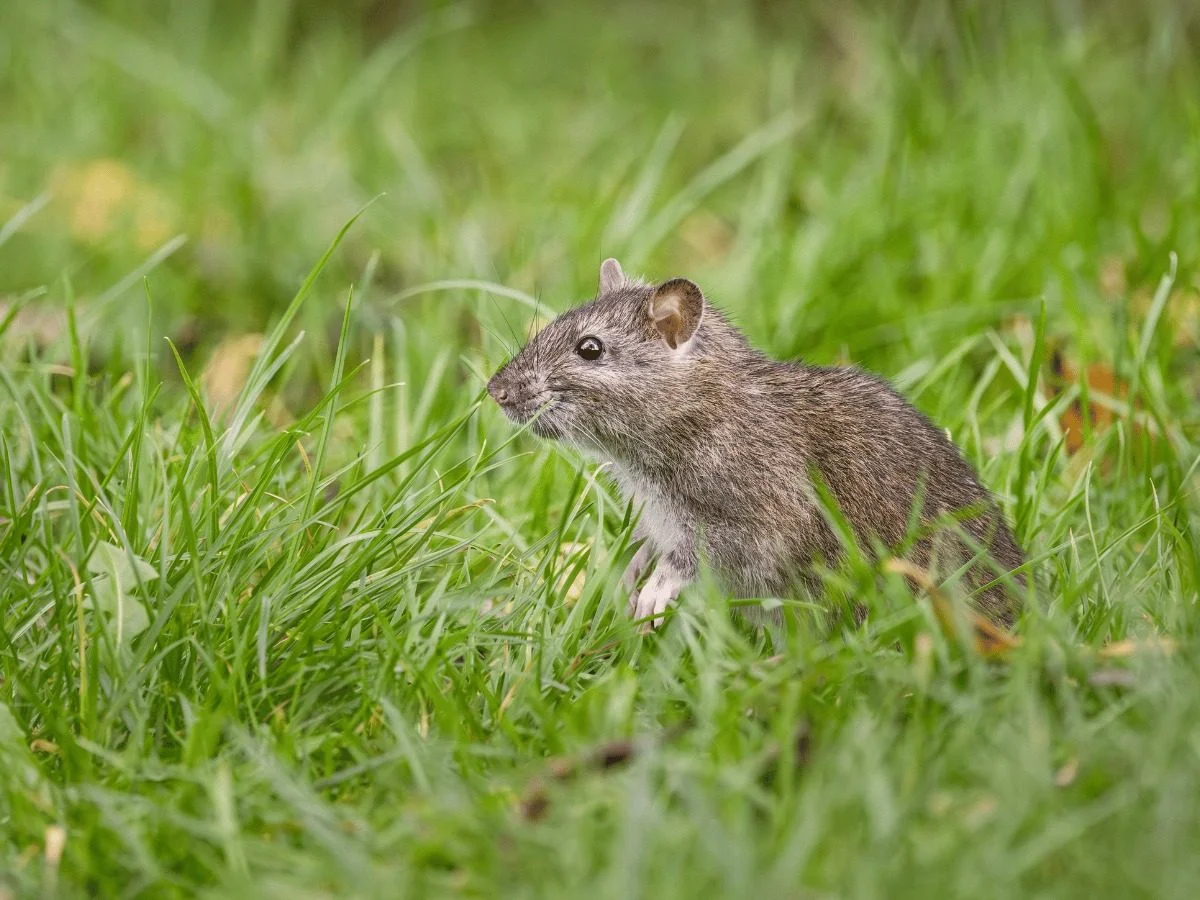
HEPA-filtered negative air extraction of rodent-contaminated insulation, eliminating airborne dust and pathogenic hantavirus risk.
Our 4-Stage Protocol for Attic Rodent Removal Odessa Families Rely On
To deliver permanent eradication without contaminating your living space with toxic airborne particles or decomposing odors, our technicians follow a systematic 4-stage attic remediation protocol:
Stage 1: Structural Roofline Sealing
Stage 2: Clean Mechanical Trapping
Stage 3: Negative-Air HEPA Sanitation
Stage 4: Thermal Insulation Restoration
Stage 1: Exterior Roofline Exclusion
Before any inside eradication begins, we seal all exterior access points along your roofline. Using 19-gauge galvanized steel hardware cloth, custom-formed 26-gauge metal flashing, and industrial elastomeric sealants, we seal roof fascia returns, ridge caps, soffit vents, and plumbing flashing collars. This locks the resident rodent population inside and ensures no new rodents can enter.
Stage 2: Non-Chemical Inside Trapping and Cleardown
With the exterior sealed, our technicians enter the attic to install commercial high-leverage snap-trapping stations along confirmed travel runways: - Traps are secured to structural timbers to prevent displaced animals from dragging them into inaccessible voids. - We utilize food-grade attractants tailored to roof rat feeding preferences (such as nut pastes and dried fruits) rather than poison baits. - Technicians perform regular follow-up visits to remove all trapped carcasses directly, resetting traps until complete cessation of activity is confirmed across multiple consecutive inspections.
Stage 3: Biohazard Decontamination and Virucidal Enzyme Fogging
Once the attic is verified clear of all rodent activity, we remediate biological contamination: - Negative-Air HEPA Scrubbing: We set up commercial negative-air units with certified HEPA filters (99.97% efficiency at 0.3 microns) to maintain negative air pressure, preventing airborne dust and biological contaminants from drifting down into your home. - Hospital-Grade Virucide Fogging: Using specialized ULV (ultra-low volume) misting equipment, we apply an EPA-registered, broad-spectrum virucidal enzyme disinfectant across all attic timbers, framing, and drywall surfaces. This treatment neutralizes dangerous viruses, bacteria, and ectoparasites while breaking down organic pheromone scent trails.
Stage 4: Thermal Insulation Remediation and Replacement
Soiled, compressed insulation cannot provide effective thermal resistance: - In areas of heavy contamination, we vacuum out flattened, urine-soaked insulation using high-powered exterior extraction machinery. - We sanitize the exposed attic floor joists and blow in fresh, high-density fiberglass or cellulose insulation to restore your home’s required R-30 or R-38 thermal rating.
Biohazard Hazards and Hospital-Grade Attic Decontamination Odessa Standards
Rodent infestations in Odessa present severe biological health risks to home occupants. Understanding these pathogens underscores why professional decontamination is critical:
The Danger of Dry Sweeping and Aerosolization
A dangerous error made by property owners is attempting to sweep or use a standard household vacuum on rodent droppings. In Odessa's arid climate, droppings and urine dry quickly and become brittle. Sweeping dry droppings pulverizes them into fine airborne dust particles containing viral and bacterial agents. Inhaling these airborne particles can transmit life-threatening respiratory infections.
Major Pathogens Carried by Attic Rodents
- Sin Nombre Hantavirus: Primarily carried by deer mice (Peromyscus maniculatus) common in West Odessa and rural Ector County acreage. Inhaling aerosolized hantavirus particles triggers Hantavirus Pulmonary Syndrome (HPS), an acute respiratory illness with a mortality rate approaching 35 to 40 percent.
- Murine Typhus (Rickettsia typhi): Transmitted by rat fleas (Xenopsylla cheopis) living on roof rats and Norway rats. When a host rat dies, hungry fleas abandon the carcass and seek human or domestic pet hosts, causing fever, chills, and severe joint pain.
- Salmonellosis and Leptospirosis: Bacterial infections spread when dried rodent urine dust contaminates attic storage boxes, ductwork seams, or ceiling light fixtures that leak air into living spaces below.
Energy Efficiency Restoration with Rodent Insulation Replacement Odessa Homes Need
During the height of summer in Odessa, outdoor temperatures frequently exceed 100 degrees, causing attic temperatures to soar beyond 130 to 140 degrees. Under these extreme conditions, high-performance attic insulation is your home's primary defense against massive electric cooling bills.
How Rodents Destroy Attic R-Value
Insulation works by trapping millions of tiny pockets of still air within its fibers, creating thermal resistance measured as an R-value (typically R-30 to R-38 in Odessa homes). Rodents damage insulation in three distinct ways: 1. Tunnels and Compression: As rats run through blown fiberglass, they compress the material into flat runways. Compressed insulation loses its trapped air pockets, reducing its thermal R-value by up to 50 percent. 2. Urine Saturation: Liquid rodent urine mats fiberglass fibers together, turning light, fluffy insulation into heavy, crusty clumps that conduct exterior heat directly into your ceiling drywall. 3. Nesting Cavities: Female rodents burrow down to the drywall surface, pulling insulation apart to create nesting nests, leaving completely bare drywall exposed to blistering attic temperatures.
By removing compromised material and performing fresh insulation replacement, our team restores your home’s thermal envelope, reducing AC workload and lowering monthly energy expenses.
Comparison: Professional HEPA Attic Restoration vs. DIY / General Exterminator Short-Cuts
| Service Parameter | Rodent Control Odessa TX (HEPA Standard) | General Pest Exterminator (Boydstun, Fox, Bug Out) | DIY Homeowner Approach |
|---|---|---|---|
| Indoor Poison Policy | Strictly Zero Poisons. 100% mechanical snap trapping. | Regularly throws poison pellets or blocks into attics. | Hardware store poison bait blocks or trays. |
| Carcass Removal | Guaranteed 100% removal; no decomposing odors. | None; homeowners must deal with decaying wall odors. | Rodents die in hidden voids; terrible odor lasts weeks. |
| Exterior Roof Sealing | Custom 19-gauge steel mesh and metal flashing installed. | None; roofline entry points left completely open. | Expanding spray foam (chewed through in hours). |
| Biological Sanitization | Hospital-grade virucidal enzyme misting and HEPA air scrubbing. | None; contaminated droppings and urine remain. | Dry sweeping (severe hazard for aerosolizing virus). |
| Pheromone Neutralization | Enzymatic treatment breaks down chemical scent trails. | Ignored; scent trails draw future outdoor rodents. | Household air fresheners that mask scent temporarily. |
| Insulation Remediation | HEPA vacuum extraction and thermal R-value restoration. | Not offered; crushed insulation left in place. | Laying fresh batts directly over dirty droppings. |
| Written Warranty | Comprehensive multi-year structural warranty. | Recurring monthly service fee with no guarantee. | No warranty; rodents return within weeks. |
Transparent Cost Factors for Attic Rodent Removal Odessa TX Residents Can Trust
Odessa homeowners frequently report frustrating experiences with corporate pest franchises whose sales reps deliver alarming "Hantavirus scare speeches" to justify sudden $6,000 to $9,000 bids.
At Rodent Control Odessa TX, we reject high-pressure scare tactics. We provide calm, objective assessments with clear, itemized pricing based on verifiable project variables:
- Active Population Density: Minor seasonal intrusions requiring standard trapping arrays cost significantly less than established long-term colonies requiring intensive trapping cycles.
- Linear Footage of Roofline Exclusion: The amount of custom sheet metal flashing and 19-gauge steel hardware cloth required to seal high-elevation roof transitions.
- Scope of Biohazard Remediation: Whether your attic requires localized spot sanitization and virucidal fogging or full negative-air HEPA vacuum extraction of heavily soiled insulation.
- Insulation Replacement Volume: The square footage and depth of blown-in fiberglass or cellulose needed to restore your home to an optimal R-30 or R-38 thermal rating.
What About Texas Homeowner Insurance?
Standard Texas homeowners insurance policies exclude damage caused by rodents, vermin, and pest infestations, classifying it as preventable maintenance. The only common policy exception is a fire caused by chewed electrical wiring. All remediation costs, entry point sealing, and insulation restoration are the homeowner's financial responsibility. Investing in prompt, professional attic exclusion and cleanup prevents catastrophic wiring damage and protects the value of your property.
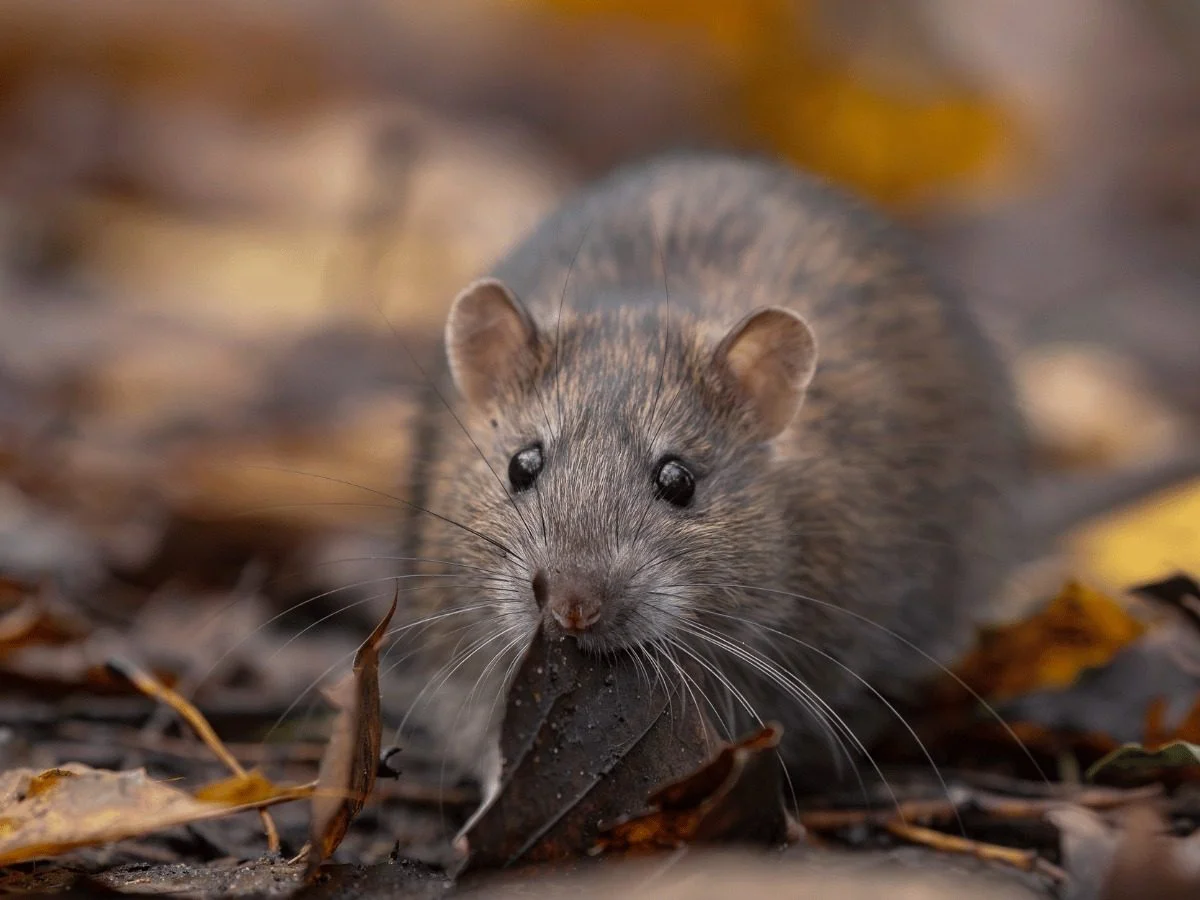
Hospital-grade virucidal aerosol misting neutralizing rodent pheromone scent trails across structural trusses and top plates.
Frequently Asked Questions About Attic Rodent Remediation in Odessa
How long does the attic rodent trapping process take?
The trapping and eradication phase typically requires five to ten business days. Our technicians set initial trapping arrays along confirmed rafter runways, followed by regular checkups to empty and reset traps until zero activity is recorded over multiple consecutive days.
Why do you refuse to use poison in the attic?
Using poison inside an attic almost always results in rodents dying inside wall cavities, ceiling voids, or beneath subfloor decking. In Odessa summer heat, decaying carcasses create putrid odors that last for weeks, attract blowflies and maggots, and pose severe secondary toxicity hazards to family dogs and cats.
How do roof rats get into my attic in the first place?
Roof rats are exceptional climbers that exploit overhanging tree limbs, utility power drops, and rough brick masonry to reach your roof. They enter through unsealed roof valley intersections, gaps behind fascia boards, unmeshed soffit vents, and damaged lead plumbing boots.
Can I just vacuum up rodent droppings with my home shop vac?
No. Standard household vacuums and shop vacs blow exhaust air back into the room through porous paper filters. This exhaust aerosolizes microscopic viral particles, bacteria, and dried urine dust into the air you breathe. Professional remediation requires certified commercial negative-air machines with 99.97% HEPA filtration and full personal protective equipment.
Will replacing contaminated attic insulation lower my summer electric bills?
Yes. When rodents nest in blown fiberglass, they compress it and tunnel through it, destroying its thermal R-value. Contaminated and compressed insulation allows brutal 130-degree attic heat to radiate directly into your living spaces, forcing your air conditioner to run constantly. Restoring insulation to R-30 or R-38 stops heat transfer and reduces cooling expenses.
Book Your Professional Attic Rodent Inspection Today
Do not let rodents destroy your electrical wiring, ruin your attic insulation, or contaminate your indoor air. Contact Odessa’s dedicated attic remediation specialists for permanent relief.
- Company Name: Rodent Control Odessa TX
- Physical Headquarters: 505 Stoddard St, Odessa, TX 79762
- Direct Dispatch Telephone: (432) 319-8327
- Operating Hours: Open 24/7 | Emergency Weekend Dispatch Available
- Service Territory: Serving all of Odessa, West Odessa, and immediate Ector County neighborhoods (ZIP codes 79761, 79762, 79763, 79764, and 79765).
Call (432) 319-8327 right now to speak with a lead attic technician and schedule your comprehensive on-site attic inspection.