
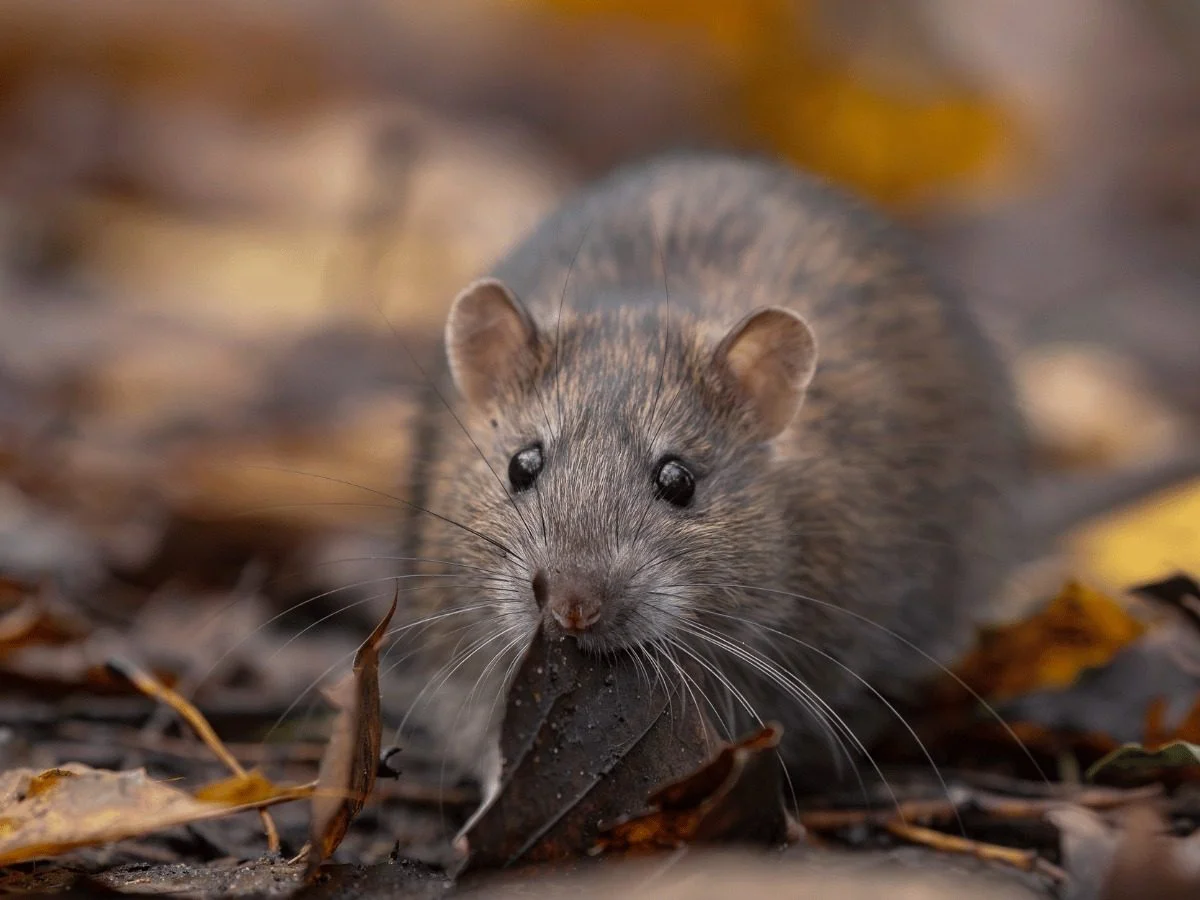
Why Choosing a Specialized Mice Exterminator Odessa TX Families Trust Solves the Root Cause
Mice are prolific indoor invaders whose population numbers explode rapidly if exterior entry points are not structurally closed. General pest sprayers frequently fail to resolve mouse infestations for three fundamental reasons:
- The Myth of Baseboard Chemical Sprays: Liquid insect sprays formulated for ants and spiders have zero effect on mice. General exterminators often spray your baseboards and drop two plastic poison bait boxes outside, collecting a monthly fee while mice continue to slip through unprotected exterior brick weep holes.
- Indoor Poison Baits Create Hidden Odor Nightmares: When poisoned with commercial anticoagulant baits, mice do not run outdoors to die. They retreat deep into inaccessible wall cavities, behind bathroom vanities, or beneath the insulation around hot water heaters. In Odessa summer heat, decaying mouse carcasses produce foul, nauseating odors that linger for weeks, drawing dermestid beetles and blowflies.
- Explosive Breeding Cycles: A single female house mouse can produce up to 8 litters per year, with each litter averaging five to six pups. Young mice reach sexual maturity in just six weeks. Without structural exclusion, a minor intrusion of two or three mice can balloon into an infestation of dozens within a single season.
- Continuous Pathogen Contamination: Mice produce between 50 and 100 droppings daily and continually dribble micro-droplets of urine to mark territory. They walk across contaminated surfaces and track bacteria directly across your kitchen countertops, silverware trays, and food prep areas.
Biological Differences: House Mice vs. Deer Mice Control Odessa Requires
In Ector County, homeowners encounter two distinct species of mice, each presenting different nesting habits, structural risks, and health hazards:
1. The House Mouse (Mus musculus)
- Primary Habitat: Suburban residential homes, commercial kitchens, grocery stores, and apartments throughout central and northeast Odessa, including Parks Bell Ranch, Mission Dorado, and Sherwood.
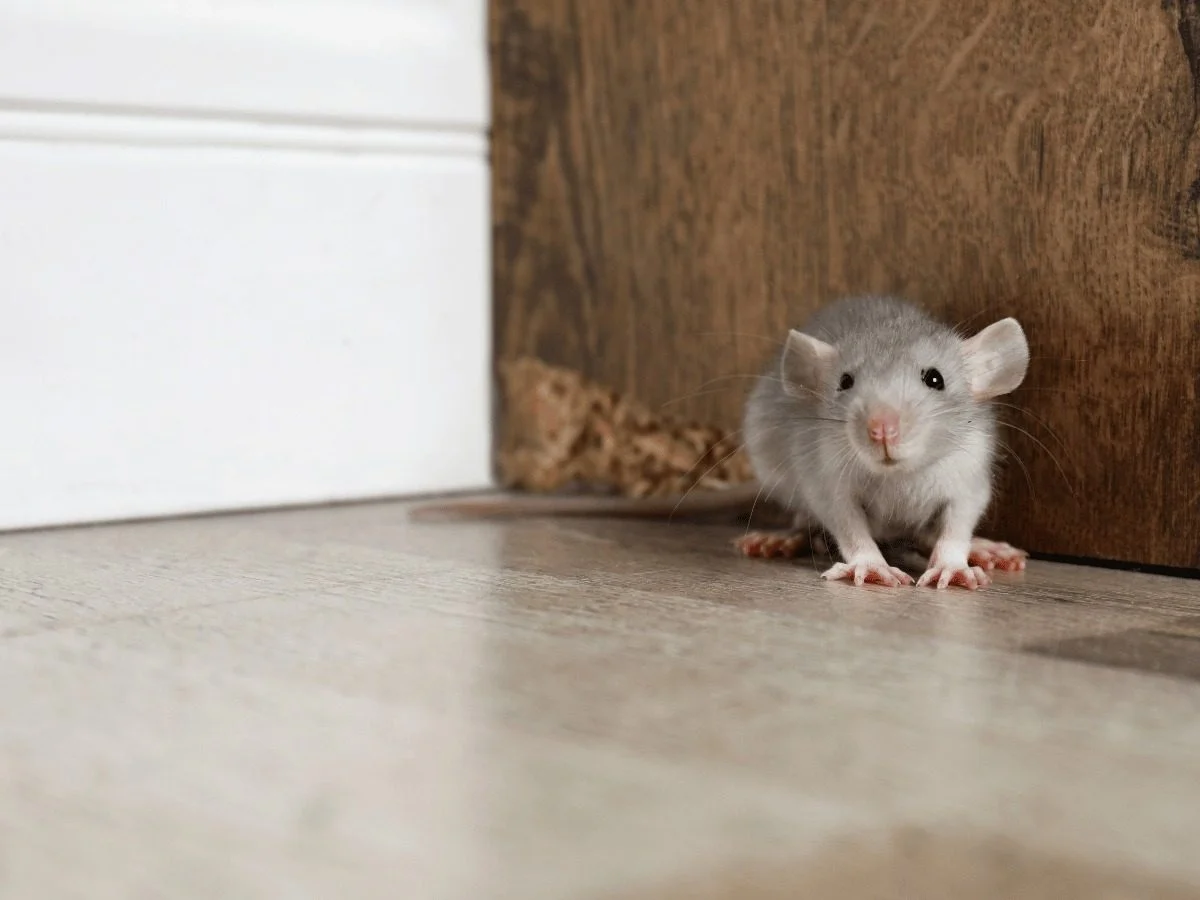
- Appearance: Dusty gray to light brown body, small slender build weighing only 1/2 to 1 ounce, with a semi-hairless tail about the same length as its head and body. Large, rounded ears and small beady black eyes.
- Behavior: Prolific indoor nest builder that sets up colonies within 10 to 30 feet of food sources. They nest in lower kitchen cabinets, beneath ovens, behind refrigerators, and inside wall voids directly adjacent to pantries.
- Droppings: 1/8 to 1/4 inch long with pointed, tapered ends, resembling tiny black grains of rice.
2. The Deer Mouse (Peromyscus maniculatus)
- Primary Habitat: Semi-rural and rural properties, outbuildings, workshops, and mobile homes across West Odessa acreage tracts.
- Appearance: Distinct bi-colored coat with a warm tawny or golden-brown back and a stark white underbelly, chest, and feet. Large, bulging black eyes and large, thinly furred ears.
- Behavior: Primarily an outdoor and outbuilding nester that invades garages, tractor sheds, well houses, and mobile home belly boards during Odessa winter cold fronts.
- Severe Health Warning: Deer mice are the primary natural reservoir for Sin Nombre Hantavirus, the pathogen responsible for Hantavirus Pulmonary Syndrome (HPS).
Heavy-duty aluminum retainer and neoprene bottom astragal installed on garage door base to eliminate the 1/4-inch gap mice exploit.
Health Risks and Pathogen Hazards Demanding Prompt Mouse Control Odessa
Allowing mice to dwell inside your living spaces exposes your family and household pets to serious vector-borne diseases:
Hantavirus Pulmonary Syndrome (HPS)
In Odessa's arid climate, deer mouse droppings, urine, and nesting debris dry out rapidly. When disturbed by sweeping or standard household vacuuming, dried viral particles become aerosolized into fine dust. Inhaling these airborne particles can transmit Hantavirus Pulmonary Syndrome, a life-threatening respiratory disease with an alarming mortality rate of approximately 35 to 40 percent.
Salmonellosis (Bacterial Food Poisoning)
House mice frequently forage across kitchen counters, cutting boards, and inside pantry food boxes. As they feed, their feet and fur transmit Salmonella bacteria from their droppings directly onto human food and cooking utensils, causing severe abdominal cramps, fever, and acute gastrointestinal illness.
Leptospirosis
Transmitted through contact with water, soil, or food contaminated with rodent urine. The bacteria can enter through minor skin abrasions or contact with mucous membranes, causing kidney damage, liver failure, or meningitis.
Secondary Parasite Infestations
Mice carry exterior parasites, including rodent mites, ticks, and fleas. When mice nest inside wall cavities near bedrooms, these ectoparasites often migrate through electrical outlets and baseboard gaps into bedding, biting human occupants and domestic pets.
Structural Ingress Vectors That Require a Professional Mice Exterminator Odessa TX
Because an adult mouse can compress its ribcage and skeleton to fit through any opening wider than a standard pencil (1/4 inch), our forensic inspections target minute structural gaps that general contractors overlook:
Brick Veneer Weep Holes
Primary ground-level entry point
AC Refrigerant Conduit Chases
Mid-wall highway into interior utility bays
Garage Door Corner Astragals
Low-level access into attached garages
Subfloor Plumbing Cutouts
Crawlspace passage into kitchen sinks
1. Exterior Brick Weep Holes (Parks Bell Ranch & Mission Dorado)
Modern brick homes feature vertical weep holes along the lowest mortar joint to drain moisture and provide wall cavity ventilation. An unmeshed weep hole is typically 3/8-inch wide, offering unrestricted access for mice into exterior wall voids. We install custom spring-loaded stainless steel weep hole inserts that block mice completely while preserving 100% of the wall's drainage and ventilation.
2. Degraded AC Line Gaskets and Pipe Penetrations
Copper refrigerant lines and electrical conduit penetrate exterior masonry to connect indoor air handlers with outdoor compressor units. The rubber boots and sealant collars around these lines degrade and crack under Odessa UV radiation within two to three years, creating 1 to 2 inch voids leading directly into interior utility chases.
3. Garage Door Bottom Weatherstripping
Garage doors warped by wind or ground settling leave gaps at the bottom outer corners. Mice slip beneath these gaps into the garage, where they nest in stored cardboard boxes, pet food bags, and vehicle engine compartments before chewing through drywall into the main residence.
4. Crawlspace Plumbing Chases (Sherwood & Historic Odessa)
In older pier-and-beam homes, plumbers historically cut oversized access holes through subfloor wood to run drain lines for bathtubs and kitchen sinks. Mice living in crawlspaces climb these pipes and pop up directly into interior kitchen cabinets.
Comparison: House Mouse vs. Deer Mouse Biology & Risk Matrix
| Biological Feature | House Mouse (Mus musculus) | Deer Mouse (Peromyscus maniculatus) |
|---|---|---|
| Typical Habitat in Odessa | Urban & suburban kitchens, pantries, slab homes. | West Odessa acreage, outbuildings, barns, crawlspaces. |
| Coat Coloration | Solid dusty gray to uniform light brown. | Bi-colored: golden-brown back with pure white underbelly. |
| Facial Silhouette | Small beady black eyes, pointed snout. | Large, bulging black eyes, prominent ears. |
| Primary Health Threat | Salmonellosis, Leptospirosis, food contamination. | Sin Nombre Hantavirus Pulmonary Syndrome (HPS). |
| Nesting Behavior | Inside furniture, kitchen cabinets, stove insulation. | Firewood piles, storage sheds, tractor cabs, wall voids. |
| Daily Dropping Output | 50 to 100 pointed, rice-like black droppings. | 40 to 80 dark, elongated droppings with rounded tips. |
| Remediation Protocol | Indoor mechanical trapping and weep hole proofing. | Negative-air HEPA extraction and full PPE virucidal fogging. |
Our 4-Stage Eradication Protocol from the Top Mice Exterminator Odessa TX
To guarantee permanent mouse elimination without filling your home with toxic fumes or decaying odors, our technicians execute a rigorous 4-stage remediation protocol:
Stage 1: Forensic Physical Inspection
Stage 2: Mechanical Exclusion Sealing
Stage 3: Inside Non-Chemical Trapping
Stage 4: Virucidal Sanitization & Odor Neutralization
Stage 1: Forensic Physical Inspection
We inspect your entire property from the foundation footing to the attic rafters. Using high-powered blacklights, inspection mirrors, and thermal cameras, we map active runways, locate grease rub marks, and pinpoint all structural entry points along weep holes, conduit chases, and door thresholds.
Stage 2: Chew-Proof Mechanical Exclusion
Before initiating inside trapping, we permanently seal the building envelope: - We install laser-cut stainless steel weep hole breathers across every exterior mortar gap. - We pack irregular pipe penetrations and expansion joints with Stuf-fit pure copper mesh, securing them with commercial elastomeric sealants. - We retrofit garage doors with heavy-duty aluminum retainers and chew-proof rubber astragal seals.
Stage 3: Inside Non-Chemical Trapping and Eradication
With the exterior sealed, any mice remaining indoors are trapped: - We deploy commercial expanded-trigger mechanical snap traps along confirmed runways behind appliances, inside utility closets, and along pantry baseboards. - We never deploy loose poison baits indoors, ensuring that zero mice die inside your wall cavities. - Technicians perform scheduled follow-up visits to empty, clean, and reset traps until zero activity is recorded across multiple consecutive inspections.
Stage 4: Virucidal Sanitization and Odor Neutralization
After the mice are eradicated, we decontaminate contaminated areas: - We apply an EPA-registered hospital-grade virucidal enzyme mist across contaminated cabinet bases, pantry shelving, and utility chases. - This treatment neutralizes hazardous bacteria (Salmonella) and viral agents while breaking down territorial urine pheromone trails that attract future outdoor mice.
Step-by-Step Methodology for Comprehensive Mice Removal in Odessa TX Homes
Achieving complete, permanent mouse elimination requires strict attention to operational details during every service phase:
Safe Dropping Decontamination Procedures
Our technicians strictly follow CDC guidelines for rodent cleanup. We never dry sweep or vacuum dry droppings. All contaminated surfaces are pre-saturated with hospital-grade disinfectant for ten minutes before being wiped clean with disposable microfiber materials. Technicians wear full personal protective equipment, including P100 respirators and nitrile gloves.
Securing Domestic Food Attractants
A mouse requires only 3 to 4 grams of food per day to survive. During our inspection, we provide homeowners with a customized sanitation checklist: - Transfer cereal, grains, pet kibble, and baking goods into airtight glass, heavy plastic, or metal storage containers. - Clean grease residues from beneath stove cooktops and behind kitchen appliances. - Elevate outdoor pet food dishes and remove open water sources around foundations.

Pre-formed galvanized pipe escutcheons and copper mesh secured around oversized subfloor plumbing cutouts beneath kitchen sink.
Frequently Asked Questions About Mouse Extermination in Odessa
How to get rid of mice permanently in an Odessa home?
When homeowners ask how to get rid of mice or what is the best way to get rid of mice, our answer is always permanent structural exclusion paired with clean mechanical capture. You cannot poison your way out of a rodent infestation. The only permanent method is sealing exterior masonry weep holes and pipe penetrations with chew-proof 19-gauge steel mesh, trapping resident mice with high-leverage snap traps, and learning how to keep mice out of your house by securing dry pantry goods in airtight containers.
What is the average mouse exterminator cost in Odessa?
The total mouse exterminator cost or rat exterminator cost depends on the linear perimeter of the foundation, the number of weep holes, and whether attic sanitization is needed. Typical complete exclusion packages range between $700 and $1,500, which includes a comprehensive multi-year written structural warranty and interior trapping.
Why do homeowners searching for a rat exterminator near me find mice instead?
Residents searching online for a rat exterminator near me often discover during our forensic inspection that the nocturnal noises or droppings inside their kitchen belong to house mice or deer mice rather than rats. Our technicians identify the exact rodent species and apply targeted extraction methods for each.
How does a mouse get through a brick weep hole?
Brick weep holes are typically 3/8-inch wide. A house mouse has a flexible skull and a compressible ribcage that allows it to pass through any gap wider than 1/4 inch (about the diameter of a pencil). Once inside the weep hole, the mouse has unrestricted access to the hollow void between the brick and the interior drywall.
Why do you refuse to use poison pellets inside the house?
Poison pellets cause mice to die inside hidden wall voids or under cabinets. In the Odessa climate, a decomposing mouse carcass produces an unbearable, sickening odor that lasts for several weeks and attracts blowflies and maggots. Clean mechanical snap-trapping guarantees 100% carcass removal without odors.
What should I do if I find mouse poop in my pantry?
If you discover mouse poop or rat droppings, do not dry sweep or vacuum them, as this aerosolizes dangerous airborne pathogens like hantavirus. Wear rubber gloves, spray the droppings thoroughly with a disinfectant or diluted bleach solution, let it sit wet for ten minutes, and wipe it up with paper towels before disposing of it in an outdoor trash receptacle. Then call our specialists to seal exterior entry points.
Schedule an Inspection with Odessa Master Mouse Exterminators
Stop recurring mouse invasions before they contaminate your pantry or chew through your home's electrical wiring. Protect your family with permanent structural exclusion.
- Company Name: Rodent Control Odessa TX
- Physical Headquarters: 505 Stoddard St, Odessa, TX 79762
- Direct Dispatch Hotline: (432) 319-8327
- Operating Hours: Open 24/7 | Emergency Weekend & 24/7 Priority Dispatch Available
- Service Territory: Serving all residential subdivisions and rural acreage across Odessa, West Odessa, and Ector County (ZIP codes 79761, 79762, 79763, 79764, and 79765).
Call (432) 319-8327 right now to speak directly with a licensed mouse specialist and book your on-site physical property inspection.