Health Hazards Requiring Professional Rodent Cleanup Odessa TX
Accumulated rodent waste poses substantial health risks to occupants through airborne spores and surface contact. Attempting to clean rodent feces with domestic brooms or household vacuum cleaners exposes families to respiratory infections.
Why Sweeping or Vacuuming Droppings Spreads Disease
A dangerous question frequently asked by property owners is whether to vacuum mice droppings or sweep them with a broom, or how to handle mouse poop versus rat feces. The Centers for Disease Control and Prevention (CDC) strictly warns against sweeping or vacuuming dry rodent droppings with standard household equipment.
Here is why amateur cleanup is hazardous: - Aerosolization of Pathogens: Dry broom bristles crush brittle rat feces and urine scales into microscopic dust particles, suspending infectious bacteria and viruses in breathing air for hours. - Standard Vacuum Exhaust Dispersion: Domestic vacuum filters cannot trap sub-micron viral organisms. The high-velocity motor exhaust acts like an aerosol cannon, blowing pathogens across rooms and into central heating and air conditioning ducts. - Accidental Vacuum Contamination: If you accidentally vacuumed mouse droppings, the vacuum bag, interior hoses, and roller brushes remain biologically contaminated, spreading spores every time the appliance is turned on until fully decontaminated or discarded.
Major Pathogens Transmitted by Rat and Mouse Feces
- Hantavirus Pulmonary Syndrome (HPS): Transmitted primarily by deer mice, this life-threatening respiratory disease is contracted by inhaling airborne dust contaminated with rodent urine or feces. Early symptoms mimic the flu, rapidly progressing to acute respiratory distress.
- Salmonellosis: Bacteria shed in rodent droppings contaminate food prep counters, silverware drawers, and pantry shelves, causing severe abdominal cramping, fever, and gastrointestinal illness.
- Lymphocytic Choriomeningitis (LCMV): A viral infection carried by common house mice causing aseptic meningitis and neurological complications, particularly dangerous for pregnant women.
Dry Broom Sweeping / Vacuuming
Aerosolized Airborne Pathogens
HVAC Contamination & Inhalation
Our Multi-Stage Biohazard Protocol for Rodent Cleanup Odessa TX
Safe, effective rodent decontamination follows strict hazardous materials standards, utilizing personal protective equipment (PPE) including full-face N100 respirators, disposable Tyvek coveralls, and chemical-resistant nitrile gloves.
Step 1: Pre-Treatment Anti-Aerosol Wet Misting
Before disturbing any biological material, technicians thoroughly saturate the droppings, nesting piles, and contaminated surfaces with a hospital-grade virucidal disinfectant spray. This neutralizes active pathogens and prevents dried feces from crumbling into airborne dust during handling.
Step 2: Negative-Air Industrial HEPA Extraction
All solid waste, contaminated blown-in insulation, and stick middens are extracted using sealed industrial HEPA vacuums. These containment systems trap 99.97% of particulates down to 0.3 microns, preventing any pathogen release into the surrounding living environment.
Step 3: Structural Disinfection and Scent-Trail Neutralization
Rodents communicate via chemical pheromones embedded in their urine trails along ceiling joists, wall baseboards, and plumbing lines. We apply broad-spectrum enzymatic cleaners that chemically break down uric acid crystals and sebaceous oils, eliminating the biological scent markers that attract future rodents.
Step 4: Ultra-Low Volume (ULV) Virucidal Fogging
In enclosed attics, crawlspaces, and basement areas, technicians execute ultra-low volume virucidal fogging. The micro-droplet mist penetrates behind structural framing, duct cavities, and drywall crevices, neutralizing airborne bacteria and deodorizing the entire space.
| Cleanup Method | Amateur Household Cleaning | Rodent Control Odessa TX Biohazard Standard | | :--- | :--- | :--- | | Air Protection | None or paper dust mask | Full-face N100 respirator and Tyvek bio-suits | | Equipment | Household broom or standard vacuum | Sealed commercial HEPA negative-air extraction | | Pathogen Handling | Dry sweeping creating airborne dust | Pre-wetting with hospital-grade virucide before touching | | Pheromone Removal | Surface wipe-down with basic soap | Enzymatic chemical breakdown of urine crystal trails | | Odor Treatment | Perfumed aerosol masking sprays | Molecular oxidizers and virucidal ULV misting |
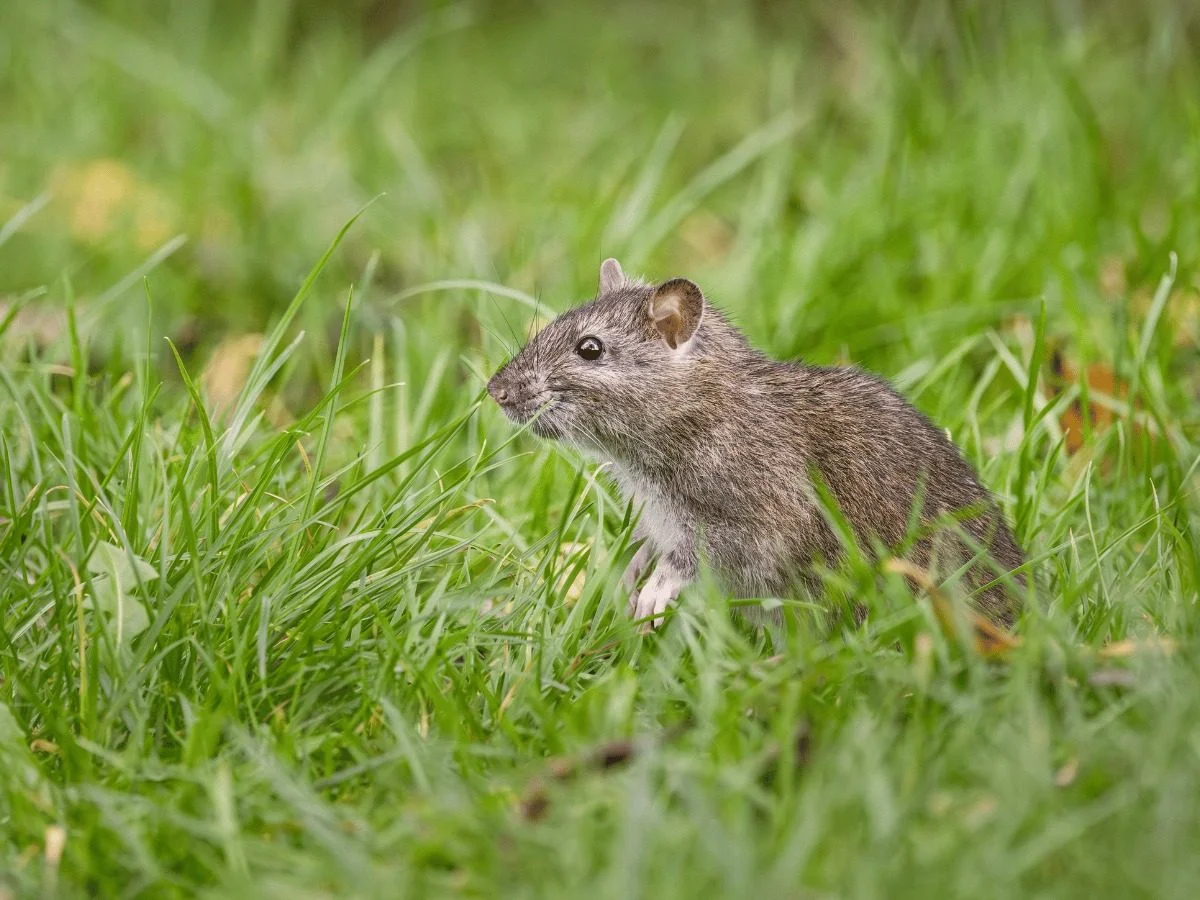
Industrial HEPA-filtered vacuum extraction capturing microscopic hantavirus and salmonella particles without airborne dispersion.
Dead Animal Carcass Extraction and Odor Removal in Rodent Cleanup Odessa TX
One of the most distressing issues property owners experience is a dead rodent decaying inside a wall cavity, subfloor, or attic floor joist following the use of over-the-counter poisons.
What Does a Dead Rat Smell Like?
A decomposing rodent produces a distinctive, nauseating smell caused by putrescine, cadaverine, sulfur compounds, and methane released during tissue breakdown. Homeowners describe it as a heavy, rancid, rotten-cabbage odor combined with intense chemical sweetness. In warm West Texas temperatures, the smell intensifies within 24 to 48 hours and can linger inside living spaces for 3 to 5 weeks if the carcass is not located and removed.
How We Locate and Remove Dead Rodents
- Thermal Diagnostic Scoping: Decomposing carcasses undergoing active bacterial decay or cooling tissue patterns can be detected using sensitive infrared cameras behind drywall and under floorboards.
- Targeted Carcass Extraction: Technicians extract the dead animal using sanitary biohazard containers, removing contaminated maggots, blowfly pupae, and stained insulation.
- Molecular Odor Neutralization: Simply spraying air fresheners will not neutralize decaying animal odors. We apply specialized industrial odor eliminators that chemically bond with and dismantle the volatile organic sulfur compounds causing the stench, restoring fresh indoor air within hours.
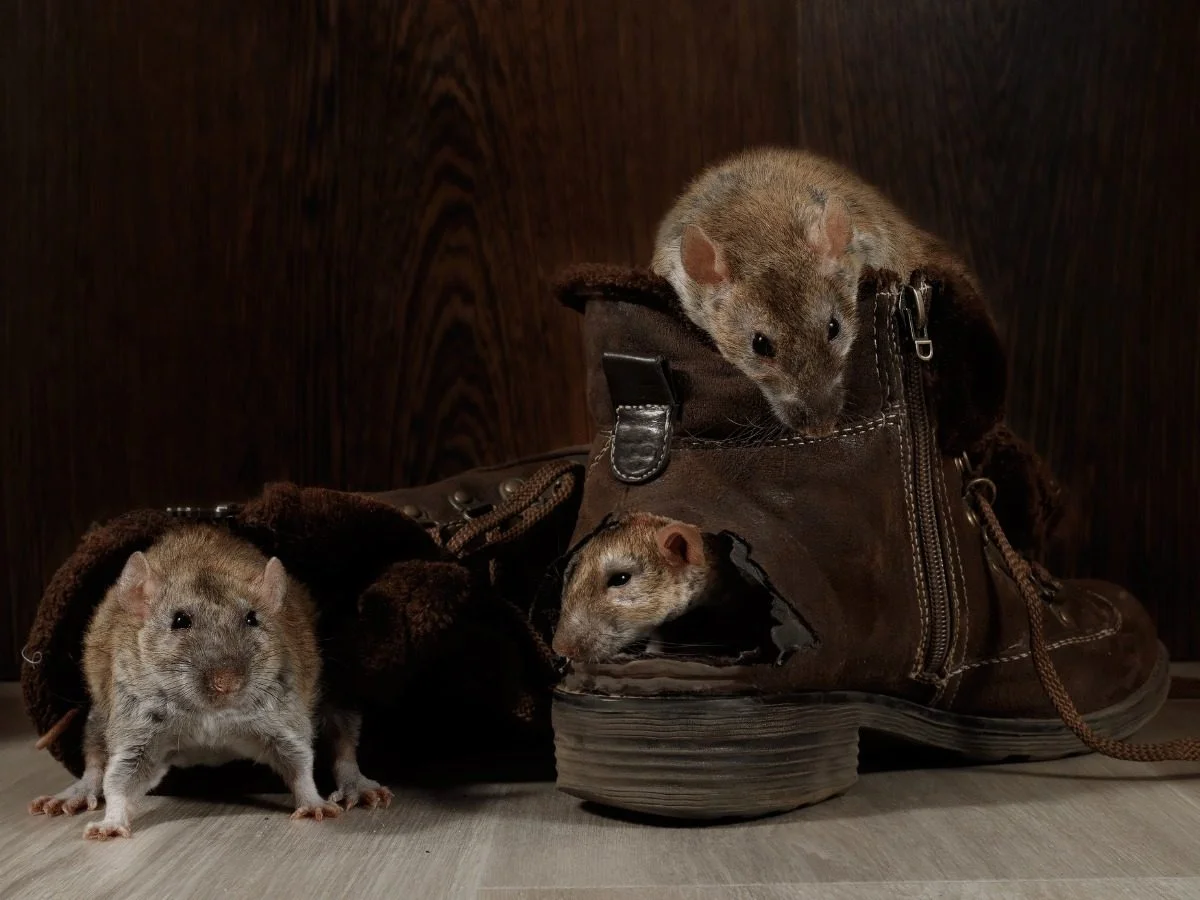
Broad-spectrum virucidal aerosol misting neutralizing stubborn dead animal odors and biological pheromone trails across structural framing.
Frequently Asked Questions
Can I clean mouse droppings myself with bleach?
Small, isolated droppings on non-porous kitchen counters can be cleaned using a 10% bleach solution, provided you wear rubber gloves and a respirator. However, large accumulations in attics, crawlspaces, or insulation require professional HEPA biohazard containment to avoid aerosolizing airborne hantavirus.
What should I do if I accidentally vacuumed mouse droppings?
Immediately take the vacuum outdoors. Disconnect the unit, remove and seal the vacuum bag in a plastic trash bag, dispose of it, and wash the interior canister and attachments with disinfectant. Replace all internal filters before running the vacuum again.
How long does a dead mouse smell or dead rat odor last if not removed?
In Odessa climate conditions, a dead mouse smell generally lasts 1 to 2 weeks, while a full-grown roof rat or Norway rat carcass produces severe decaying odor for 3 to 5 weeks. High humidity and indoor heating accelerate the odor intensity.
How to get rid of dead mouse smell and decaying carcass odors?
When dealing with dead mouse smell or animal carcass stench, eliminating the odor requires locating and physically extracting the decomposing carcass, sanitizing the contaminated nesting footprint with virucides, and deploying molecular neutralizing agents that oxidize sulfurous putrefaction gases.
Does homeowners insurance cover rodent cleanup and decontamination?
Standard homeowners insurance policies often exclude rodent remediation unless the contamination is directly tied to an otherwise covered sudden loss. We provide transparent, itemized invoices detailing all biohazard extraction and sanitization procedures.