
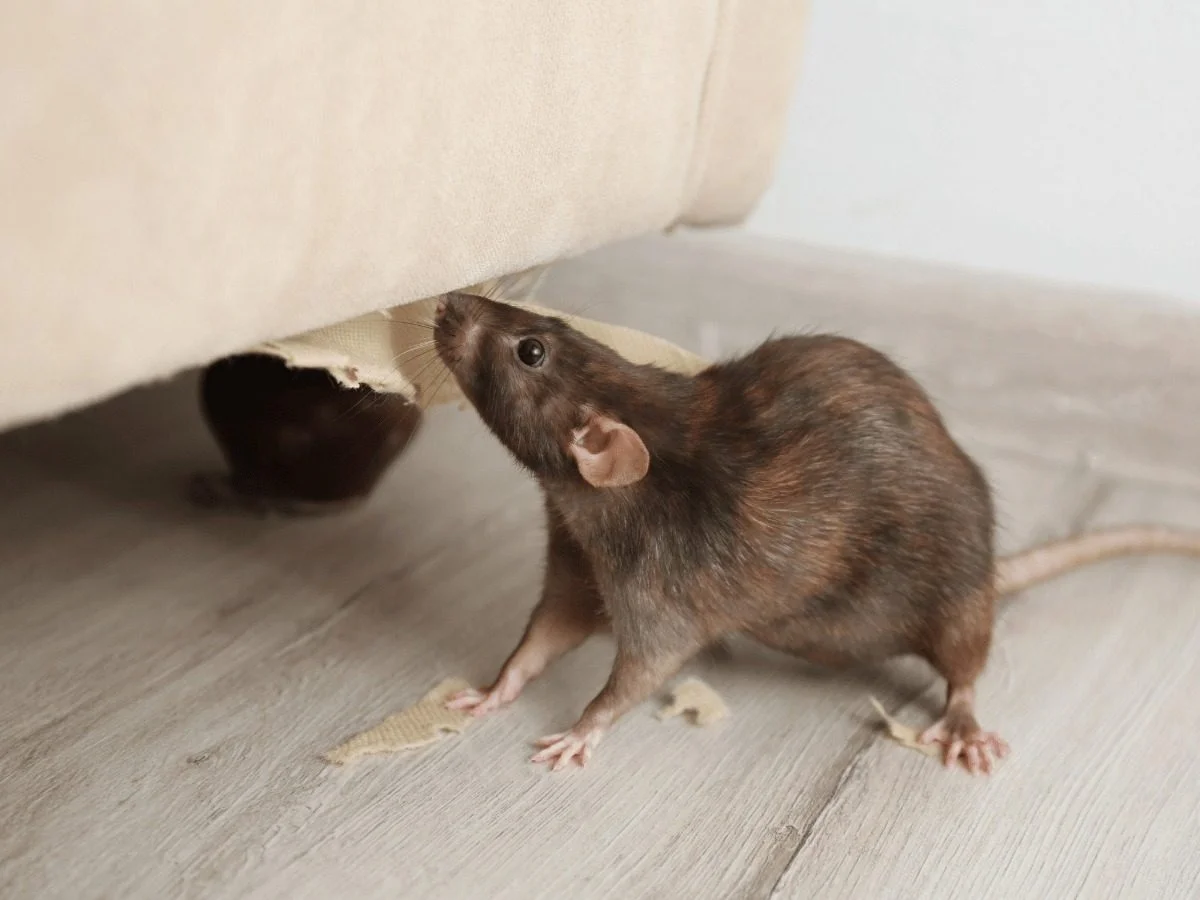
Diagnostic Indicators of Rodents in Walls Odessa TX Homes Experience
Identifying whether the sounds inside your wall belong to mice, roof rats, or occasional insects requires forensic analysis of nocturnal sound patterns, structural travel vectors, and physical evidence.
1. Audio Forensics: Scratching vs. Gnawing vs. Fluttering
- Scratching and Scampering (Mice): House mice produce light, rapid scratching and ticking sounds as their claws grip vertical drywall paper or wooden 2x4 studs. Because mice weigh under an ounce, their movements sound like light tapping or rustling within fiberglass batt insulation.
- Dull Thuds and Heavy Scuffling (Rats): Roof rats and Norway rats weigh between 8 and 16 ounces, producing much louder, heavier thumps as they leap between structural wall blocks or navigate horizontal plumbing firestops.
- Rhythmic Scraping (Active Teeth Grinding): A persistent, repetitive scraping noise indicates a rodent actively chewing through structural timber, electrical wire insulation, or drywall gypsum. Rodents can easily chew through standard half-inch sheetrock if an initial imperfection or electrical junction box provides an edge.
2. Can Mice Crawl Up Walls and Studs?
Homeowners often ask if mice can climb vertical drywall. While rodents struggle on smooth painted sheetrock surfaces, the interior cavity of a wall is lined with porous wooden framing, rough drywall paper backing, electrical romex wiring, and ribbed plumbing pipes. Mice and young rats utilize these internal conduits like ladders, effortlessly climbing from the concrete foundation footing to the upper attic ceiling plates in seconds.
3. Mice in Walls but Not in House Explained
Many property owners report having mice in walls but not in house, meaning rodents enter structural wall cavities directly from exterior vulnerabilities, including foundation weep holes, gaps around AC line conduits, or loose crawlspace skirt boards. They nest in warm interior insulation batts and travel directly into the attic to feed on stored goods or forage outdoors at night, bypassing interior living areas entirely during early infestation stages.
Exterior Weep Hole / Pipe Void
Internal Stud Bay Highway
Attic Nesting / Electrical Run
Safe Non-Destructive Extraction of Rodents in Walls Odessa TX Structures
Eliminating rodents trapped or nesting inside wall voids requires strategic extraction rather than destructive demolition or toxic chemical applications.
The Catastrophic Mistake of Throwing Poison in Walls
When homeowners cut holes in drywall and drop commercial anticoagulant poison packets inside, disaster inevitably follows. Poisoned rodents do not leave the wall to seek water. Instead, lethargic animals crawl to the lowest, most inaccessible point of the stud bay, often behind kitchen cabinets, tiled shower surrounds, or heavy baseboards, where they die. In Odessa summer heat, a single dead rat decomposing inside a wall cavity emits a foul, sickening odor that persists for 3 to 5 weeks, attracting flesh flies and carpet beetles.
Our Non-Destructive 3-Stage Extraction Process
- Acoustic Stethoscope and Thermal Imaging Scope Audit: We map the exact stud cavities containing active nests or runway corridors without damaging drywall. High-resolution thermal cameras detect body heat signatures and disturbed insulation density.
- Attic and Subfloor Interception Trapping: Because rodents inside walls must leave the cavity to forage for food and water, we position high-leverage mechanical snap traps along primary runway junctions where wall voids open into attic floor joists or crawlspace basements.
- Targeted Baseboard One-Way Evacuation Valves: In situations where rodents are isolated within a specific interior room divider, we install precision one-way exclusion valves along baseboard perimeters that allow animals to exit into secure mechanical containment traps without re-entering the wall.
| Parameter | Amateur Drywall Demolition | Rodent Control Odessa TX Method |
|---|---|---|
| Sheetrock Damage | Multiple drywall holes and expensive drywall repair | Zero wall destruction; acoustic and thermal pinpointing |
| Carcass Odor Risk | High; poisoned rodents die deep inside wall bays | Zero; 100% mechanical capture and carcass removal |
| Long-Term Protection | Rodents re-enter through unsealed exterior gaps | Exterior foundation and roofline chew-proof exclusion |
| Inspection Standard | Guesswork based on where sounds were heard | Dual acoustic stethoscope and infrared thermal mapping |
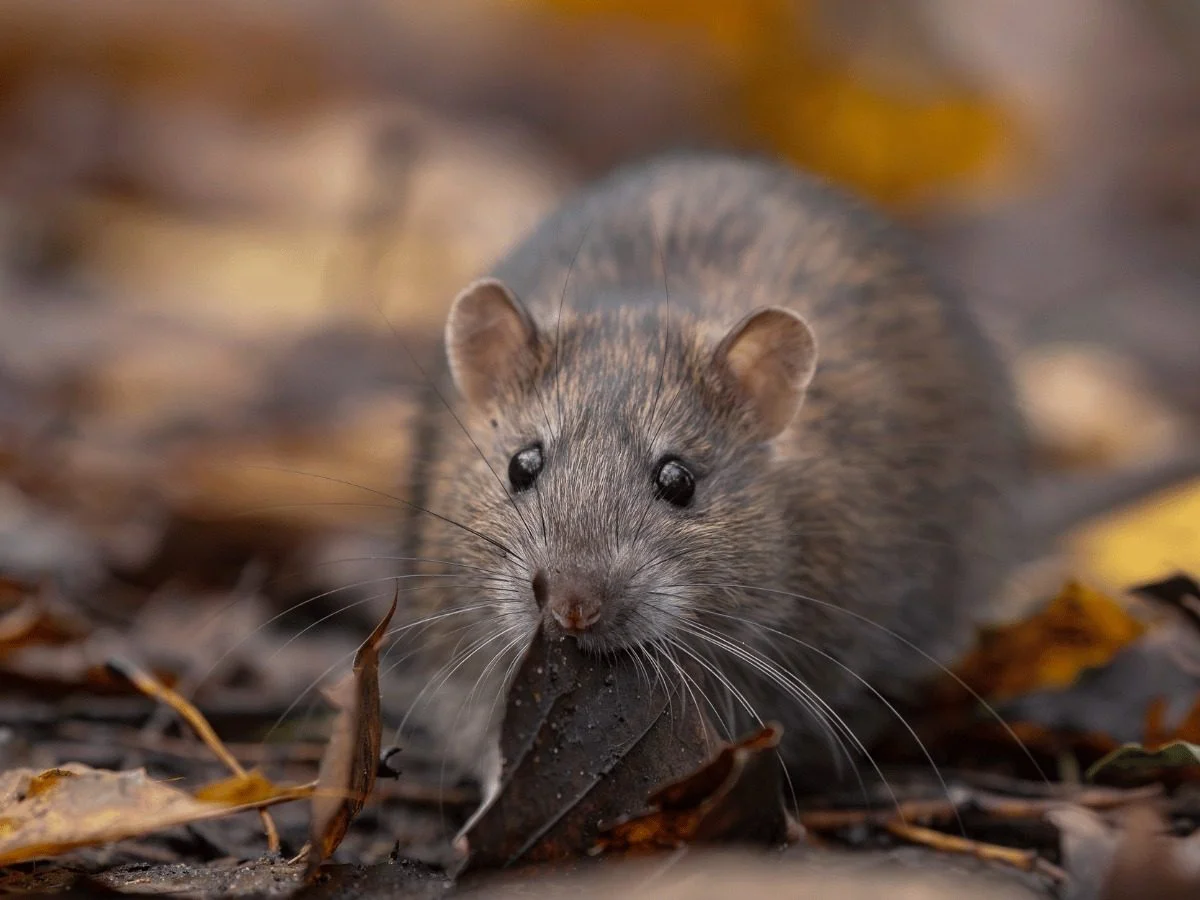
Precision acoustic stethoscope and thermal imaging pinpointing mouse and rat nesting cavities behind drywall without demolition.
Preventing Re-Entry of Rodents in Walls Odessa TX Through Foundation Sealing
Extracting current rodents inside walls solves only half the problem. If the exterior structural gaps that allowed access remain open, new foraging rodents will repopulate the empty wall voids within weeks.
Sealing Masonry Weep Holes in Brick Homes
In brick-on-slab residences across northeast Odessa subdivisions like Parks Bell Ranch and Mission Dorado, weep holes provide open highways directly into the air gap between exterior brick and interior wall framing. We install custom stainless steel spring-mesh inserts that preserve masonry ventilation while locking out mice permanently.
AC Refrigerant Chases and Utility Penetrations
Exterior air conditioning line sets pass through exterior stucco or siding into interior utility walls. Factory rubber gaskets degrade quickly in West Texas sunlight, leaving wide openings. We secure these penetrations with galvanized 19-gauge steel hardware cloth embedded in elastomeric sealant.
Subfloor Plumbing Proofing in Pier-and-Beam Homes
In historic neighborhoods such as Sherwood and Crescent Park, oversized cutouts around subfloor drain lines allow rodents living under the home to enter wall voids beneath bathrooms and kitchens. We install custom sheet metal collars around all subfloor pipe chases to isolate walls from crawlspaces.
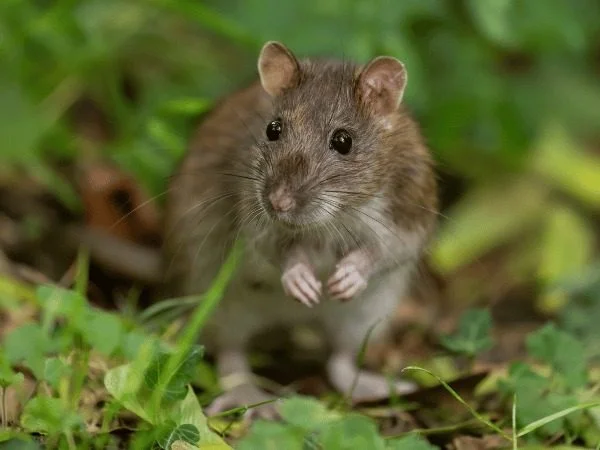
Pre-formed heavy galvanized collars and expanding copper mesh sealing foundation-level entry routes into interior stud bays.
Frequently Asked Questions
What does a mouse or rat sound like inside a wall?
Mice produce light, rapid scratching, tapping, or scuffling sounds, typically accompanied by dull chewing noises on wood or drywall paper. Rats sound much heavier, creating distinct thumps, loud scrapes, and dragging noises as they move across wall studs.
How long can a mouse live trapped inside a wall?
A mouse without food or water typically survives between 3 and 5 days. However, rodents inside walls are rarely trapped; they almost always have runways connecting the wall cavity to attic spaces, exterior foundation weep holes, or subfloor pipe chases.
Can mice chew completely through sheetrock into my bedroom?
Yes. Mice and rats have sharp, continually growing incisors that can chew through gypsum drywall, plastic electrical boxes, and wooden baseboards. They frequently enlarge small gaps around electrical outlets or pipe penetrations to enter rooms.
How to get rid of mice in walls without cutting drywall?
To get rid of mice in walls without cutting drywall, technicians deploy acoustic listening scopes, map active cavity runways, position mechanical interception traps in attic joists and subfloors, and seal all exterior entry points with chew-proof steel mesh. Cutting drywall is messy, costly, and completely unnecessary.
How do rodents get into interior walls if there are no holes in the house?
Rodents enter from exterior foundation gaps, uncapped brick weep holes, or roofline transitions. Once behind exterior brick or siding, they navigate horizontal wall framing and plumbing chases, reaching interior dividing walls without ever entering living areas.