

Why Infestations of Roof Rats Odessa TX Homes Face Require Specialized Eradication
General pest control approaches frequently fail against roof rats because technicians treat them like common house mice or ground-dwelling Norway rats. Effective eradication requires understanding the unique behavioral adaptations of this species:
- Arboreal Instincts and Aerial Runways: Roof rats are natural climbers with exceptional balance. They rarely travel across open ground if an elevated pathway exists. Standard ground-level perimeter traps set by general exterminators are routinely bypassed because the rats travel overhead via utility service drops, roof fascia, and brick mortar ledges.
- Neophobia (Suspicion of New Objects): Roof rats are notoriously neophobic. They exhibit extreme caution toward new items placed in their territory. Carelessly tossing wooden snap traps or plastic bait boxes into an attic often results in trap avoidance for weeks. Our technicians employ professional pre-baiting techniques and strategic blind-runway placement along structural trusses to overcome their natural wariness.
- Severe Electrical Fire Hazards: Because their incisors grow constantly, roof rats must gnaw relentlessly on hard structural materials. In modern residential attics, they strip the plastic sheathing from 110V and 220V electrical wiring, exposing live copper conductors and creating dangerous hidden fire hazards within your ceiling.
- HVAC and Ductwork Destruction: During brutal Odessa summers with temperatures exceeding 100 degrees, roof rats seek cool air leaking from attic duct seams. They shred the exterior foil wrap and fiberglass batting of flexible HVAC duct lines, burrowing directly into the airflow channels and driving up electric bills.
Biological Behavior and Biology: Why You Need a Roof Rat Exterminator Odessa
Understanding the biology of Rattus rattus reveals why an unchecked population rapidly escalates into a major structural crisis:
Agile Climbers With Long Balancing Tails
Prolific Breeding: 4-6 Litters Annually
Omnivorous Diet: Fruit, Seeds, Pet Food & Wire Insulation
Vector for Murine Typhus, Fleas & Toxoplasmosis
Physical Characteristics
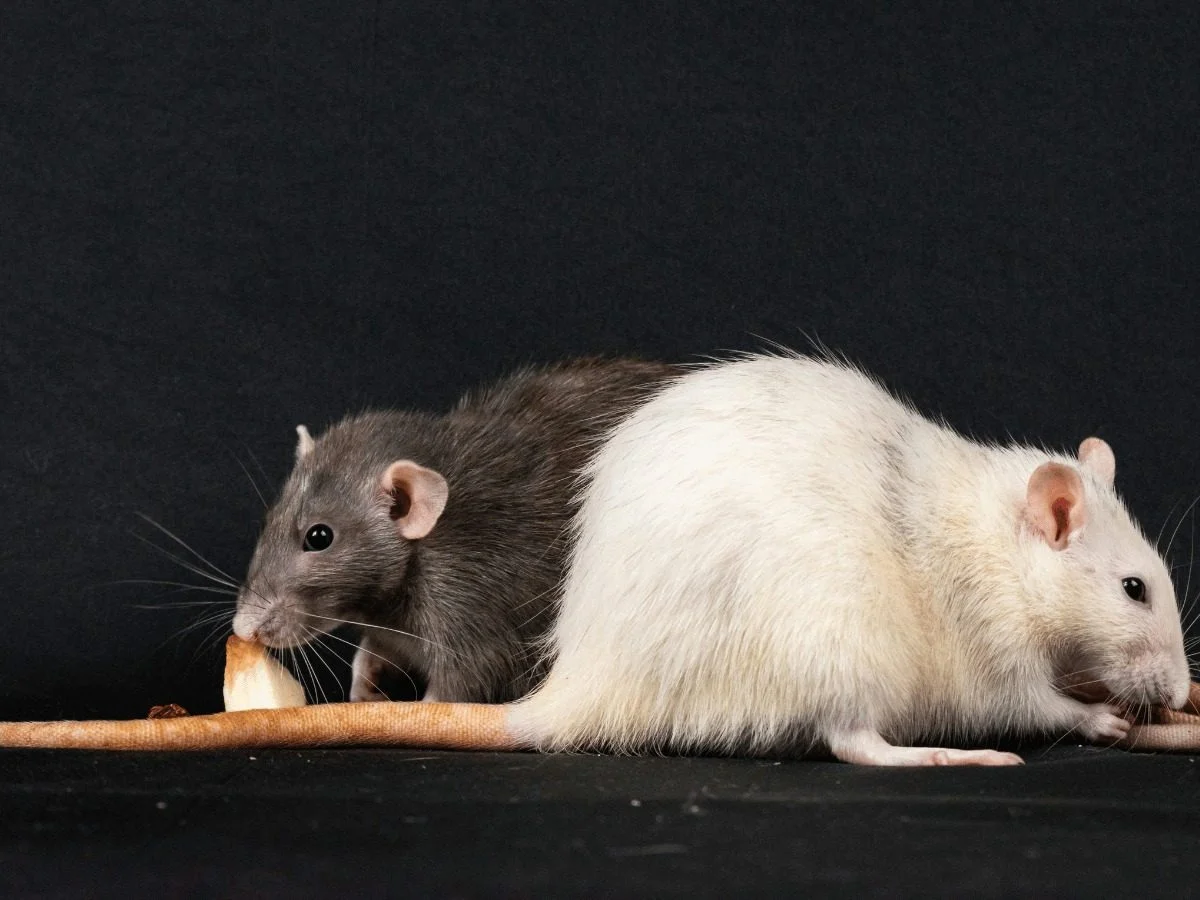
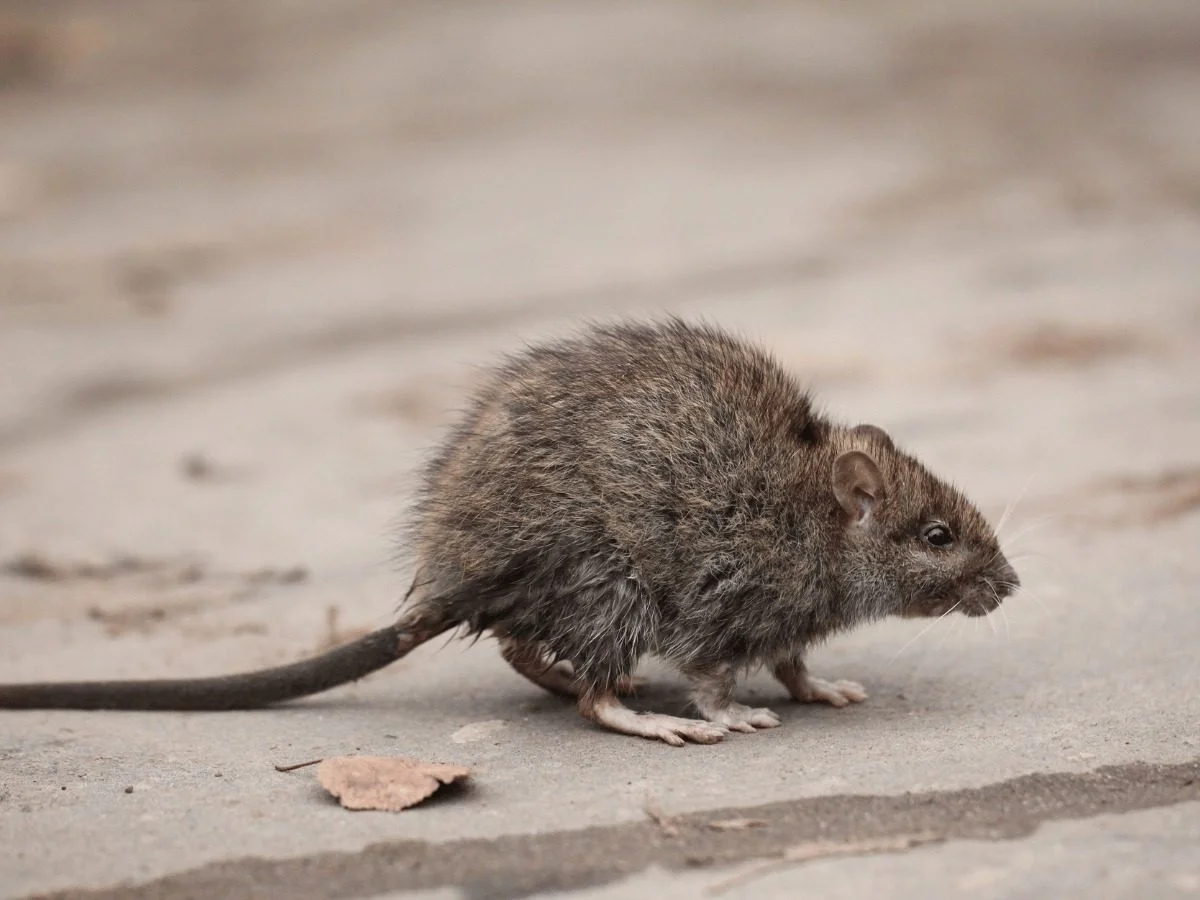
- Body Shape: Slender, streamlined build measuring 6 to 8 inches in body length.
- Tail Length: Hairless, scaly tail measuring 7 to 10 inches, visibly longer than the combined length of its head and body. The tail acts as an essential counterbalance when walking along narrow electrical wires and branches.
- Coloration: Charcoal gray, dark brown, or black, with a slightly lighter gray or white underbelly.
- Facial Features: Pointed muzzle, large prominent black eyes, and large, thin, nearly hairless ears that can be folded down over their eyes.
Reproductive Capacity in Odessa Attics
Roof rats reach sexual maturity within three to four months. In the sheltered warmth of an insulated Odessa attic, breeding continues year-round. A single female produces four to six litters per year, with each litter averaging five to eight pups. Without immediate intervention, a single mating pair can establish an active colony of several dozen rats within a single season.
Custom-formed 26-gauge sheet metal flashing sealing high-elevation roof valley transitions against agile climbing roof rats.
Recognizing the Early Signs of Roof Rats in Attic Spaces Across Odessa
Because roof rats are nocturnal creatures that hide deep within insulation during the day, homeowners must rely on early signs of infestation to detect their presence early:
1. Late-Night Audio Activity (Midnight to 4:00 AM)
Homeowners typically report distinct scratching, scurrying, and gnawing noises coming from the ceiling directly above bedrooms. Unlike squirrels, which are active at dawn and dusk, roof rats become highly active during the quietest hours of the night.
2. Cylindrical Droppings with Pointed Ends
Roof rat droppings are distinct from mouse or Norway rat droppings: - Dimensions: Approximately 1/2-inch long and 3/16-inch thick. - Shape: Cylindrical with distinctly pointed, tapered tips. - Location: Scattered along horizontal wooden ceiling rafters, electrical conduit lines, and around HVAC air handling units.
3. Dark, Greasy Sebum Smudge Marks
Rats have poor eyesight and navigate by brushing their bodies against walls and rafters. Their fur carries natural body grease (sebum) mixed with dirt. Over time, heavy rat runways develop dark, greasy rub marks along wooden trusses, joists, and ceiling access panels.
4. Trampled Runways in Blown Insulation
As rats repeatedly navigate the attic, they compress light, blown-in fiberglass insulation into packed, sunken runways. These runways frequently lead directly to circular nesting depressions filled with shredded duct foil, cardboard, and paper.
Structural Access Points That Roof Rats Odessa TX Properties Commonly Feature
Roof rats exploit specific architectural transitions where roofing components meet exterior walls. In neighborhoods like Mission Dorado, Country Club Estates, and Parks Bell Ranch, our inspections frequently uncover the following entry vectors:
Roofline Fascia Returns
Where sloping roof eaves terminate against exterior brick or siding, builders often leave small gaps beneath the fascia trim. Roof rats climb vertical brick mortar to enter these high-elevation voids, accessing the attic directly.
Attic Dormers and Roof Valleys
Where roof planes intersect to create valleys, sheet metal flashing often leaves small openings under the roof deck. Rats squeeze beneath shingles and work their way through wooden roof decking joints.
Unmeshed Soffit Intake Vents
Perforated aluminum or vinyl soffit vents provide essential attic ventilation. However, continuous Odessa spring winds and severe dust storms can dislodge plastic vent clips, allowing rats to push past loose vents into the eaves.
Plumbing Stacks and Exhaust Flashing
Lead or rubber flashing boots around rooftop plumbing vent pipes degrade under intense Odessa ultraviolet rays. Roof rats gnaw through cracked rubber collars to enter interior wall cavities between bathroom studs.
Comparison: Roof Rat vs. Norway Rat Identification and Behavioral Matrix
| Biological & Behavioral Factor | Roof Rat (Rattus rattus) | Norway Rat (Rattus norvegicus) |
|---|---|---|
| Primary Structural Habitat | High elevation: Attics, roof valleys, rafters, drop ceilings. | Low elevation: Ground burrows, foundation slab edges, crawlspaces. |
| Body Build & Silhouette | Slender, graceful, lightweight (5 to 9 ounces). | Heavy, stocky, thick-bodied (up to 16 ounces). |
| Tail Proportion | Tail is longer than the combined head and body length. | Tail is shorter than the combined head and body length. |
| Snout & Ears | Pointed muzzle with large, thin, hairless ears. | Blunt, rounded snout with small, thick, furry ears. |
| Dropping Characteristics | 1/2-inch cylindrical with sharp, tapered, pointed ends. | 3/4-inch capsule-shaped with blunt, rounded ends. |
| Nesting Materials | Shredded fiberglass insulation, paper, dried leaves. | Heavy cardboard, ground vegetation, cloth scraps. |
| Food Preferences | Fruit, nuts, seeds, pet food, and electrical wire coatings. | Meat scraps, garbage, grains, dog waste, heavy proteins. |
Our Proven Multi-Phase Defense Against Roof Rats Odessa TX Families Trust
To eliminate roof rat infestations permanently without indoor chemical hazards, our certified technicians execute a structured 4-phase eradication protocol:
Phase 1: High-Elevation Forensic Inspection
Phase 2: Heavy Metal Roofline Exclusion
Phase 3: Elevated Non-Chemical Trapping
Phase 4: Virucidal Sanitization & Deodorization
Phase 1: High-Elevation Forensic Inspection
We inspect your roofline from ladders and access attic spaces directly. Using high-powered LED lighting and thermal imaging cameras, we map active nesting hubs, electrical wire damage, and all structural breach points along eaves and ridge caps.
Phase 2: Heavy Metal Roofline Exclusion
We physically seal all exterior access points before beginning inside trapping: - We install custom-bent 26-gauge galvanized steel flashing along roof fascia returns and valley transitions. - We secure soffit intake vents with 19-gauge hot-dipped galvanized hardware cloth. - We seal lead plumbing boots and HVAC flue penetrations with chew-proof stainless steel mesh and UV-resistant elastomeric sealants.
Phase 3: Elevated Non-Chemical Trapping
Because roof rats travel along elevated rafter plates, ground traps are ineffective: - We anchor commercial expanded-trigger mechanical snap traps directly to wooden ceiling joists and rafter runways. - Traps are baited with food-grade attractants tailored to roof rat foraging preferences. - We never deploy indoor poison baits, guaranteeing that zero poisoned carcasses decompose inside your wall voids. - Our technicians perform regular follow-up visits to remove trapped animals until zero activity is recorded.
Phase 4: Virucidal Sanitization and Deodorization
After the attic is confirmed free of rats, we treat the area with an EPA-registered hospital-grade virucidal enzyme mist. This neutralizes dangerous bacterial pathogens, eliminates ectoparasites (fleas and mites), and breaks down territorial pheromone scent trails that draw outdoor rodents toward your roof.
Long-Term Prevention Strategies for Roof Rat Control in Odessa Neighborhoods
Maintaining a rodent-free home requires proactive environmental management around your property perimeter:
- Trim Tree Branches Away from Rooflines: Maintain at least six to eight feet of clearance between overhanging tree branches and your roof. Roof rats use branches as aerial bridges to bypass ground defenses.
- Manage Exterior Food & Fruit Sources: In neighborhoods like Mission Dorado and Country Club Estates with mature landscaping, promptly collect fallen fruit, secure vegetable gardens with hardware cloth, and avoid leaving pet food dishes outdoors overnight.
- Secure Outdoor Trash Containers: Ensure exterior garbage cans have tight-fitting lids. Outdoor dumpsters and trash cans are primary food sources that sustain neighborhood rat colonies.
- Protect Palm Fronds and Dense Ivy: Untrimmed palm trees and dense wall ivy provide ideal arboreal shelter for roof rats. Keep palm skirts neatly trimmed to eliminate nesting habitat.
Expanded-trigger mechanical snap traps deployed along marked attic ceiling joists for rapid, poison-free population eradication.
Frequently Asked Questions About Roof Rat Eradication in Odessa
How do roof rats get onto my roof if there are no trees touching my house?
Roof rats are exceptional vertical climbers. They can climb the textured mortar joints of exterior brick walls, scale metal downspouts, and travel along overhead electrical service drops and communication cables running from utility poles to your home.
Why shouldn't I just throw rat poison pellets in my attic?
Poison pellets cause rats to die inside hidden wall stud voids or beneath subfloor decking. In Odessa summer heat, a decomposing rat carcass produces a putrid, sickening odor that lasts for three to four weeks, accompanied by swarms of blowflies and maggots. Mechanical snap-trapping guarantees 100% carcass removal without odors.
How many roof rats are typically in an attic?
Because roof rats live in family colonies, hearing noises usually indicates more than one solitary animal. A typical residential attic infestation involves an established family unit of five to fifteen rats, including breeding adults and juveniles. Prompt intervention prevents population explosions.
Can roof rats chew through electrical wiring?
Yes. Roof rats have continuously growing incisors that compel them to gnaw constantly. They frequently strip the plastic insulation off electrical wiring in attics, exposing live copper conductors and creating major electrical short circuits and house fire risks.
What is the best bait to use for trapping roof rats?
Roof rats prefer plant-based foods, dried fruits, nuts, and seeds over meats. High-protein nut butters (such as peanut butter or almond butter) mixed with rolled oats or dried fruit paste provide the highest capture rates on elevated mechanical traps.
Schedule an Inspection with Odessa Trusted Roof Rat Specialists
Do not allow roof rats to chew your home's wiring or foul your attic insulation. Trust Odessa's dedicated structural exclusion specialists to eliminate the problem permanently.
- Company Name: Rodent Control Odessa TX
- Physical Headquarters: 505 Stoddard St, Odessa, TX 79762
- Direct Dispatch Hotline: (432) 319-8327
- Operating Schedule: Open 24/7 | Emergency Weekend & 24/7 Priority Dispatch Available
- Service Territory: Serving all neighborhoods across Odessa, West Odessa, and Ector County (ZIP codes 79761, 79762, 79763, 79764, and 79765).
Call (432) 319-8327 now to speak directly with an experienced roof rat specialist and schedule your comprehensive attic inspection.