
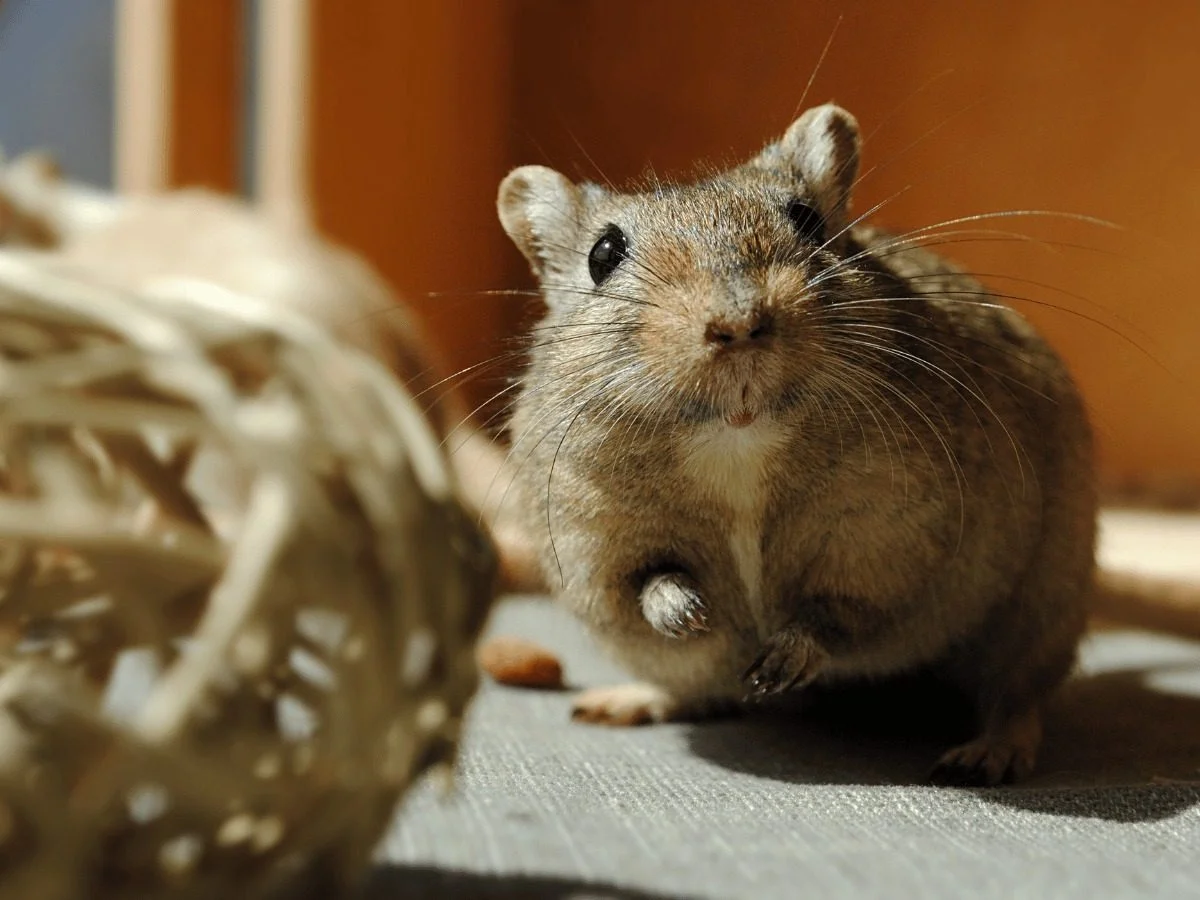
Critical Physical Evidence and Signs of Rodent Infestation Odessa Homeowners Detect
Because rodents leave distinctive physical evidence as they forage and navigate your home, our inspections begin by looking for four primary structural clues:
Dropping Accumulations & Dimensional Sizing
Dark Sebum Rub Marks Along Baseboards & Rafters
Incisor Gnaw Marks on Wood, Plastic & Wiring
Trampled Runways in Blown Attic Insulation
1. Fecal Droppings Along Travel Pathways
Droppings are the most common and reliable indicator of an active infestation. Because rodents defecate continuously as they move, droppings accumulate along baseboards, beneath kitchen sinks, inside pantry cabinets, and across attic floorboards. The size, shape, and texture of the droppings reveal the exact species and whether the activity is recent or historic.
2. Dark, Greasy Sebum Rub Marks
Rats and mice have poor eyesight and navigate by brushing their bodies against walls, studs, and baseboards. Their fur carries natural body oils (sebum) combined with outdoor grime and dust. Over weeks of travel along the same runways, rodents leave dark, oily smudges along floorboards, rafter plates, and around pipe cutouts.
3. Incisor Gnaw Marks and Tooth Scratches
A rodent's front incisors grow at an astounding rate of up to five inches per year. To prevent their teeth from growing into their braincase, rodents must continually gnaw on hard materials. Look for fresh gnaw marks on wooden door frames, baseboards, plastic storage bins, PEX water lines, and electrical wiring. Fresh gnaw marks appear light in color with distinct parallel tooth ridges, while older gnaw marks turn dark and weathered.
4. Trampled Runways and Nesting Cavities in Insulation
In attic spaces and crawlspaces, rodents compress light fiberglass insulation into smooth, packed trails known as runways. These runways often lead directly to circular nursery cavities filled with shredded paper, cardboard, and clothing fibers where litters are reared.
Visual Comparison Guide: Mouse Droppings vs Rat Droppings Identification
Properly identifying droppings is the single most critical diagnostic step in determining whether you are dealing with common mice, climbing roof rats, or ground-burrowing Norway rats:
House Mouse Dropping: 1/8" to 1/4", Pointed Ends, Rice-Like
Roof Rat Dropping: 1/2", Cylindrical, Sharp Pointed Tips
Norway Rat Dropping: 3/4", Capsule-Shaped, Blunt Rounded Ends
Pack Rat Dropping: 1/2" to 5/8", Oval, Hard, Resin-Coated
1. House Mouse Droppings (Mus musculus)
- Dimensions: Small, measuring approximately 1/8 to 1/4 inch in length (comparable to a grain of black rice).
- Shape & Profile: Slender, cylindrical, with distinctly pointed ends on both tips.
- Volume & Location: Found in scattered clusters of 50 to 100 droppings daily, concentrated inside silverware drawers, behind kitchen appliances, and along pantry shelves.
- Freshness Test: Fresh droppings appear dark black and pliable; old droppings turn dull gray, dry, and crumble easily when touched with a gloved instrument.
2. Roof Rat Droppings (Rattus rattus)
- Dimensions: Medium to large, measuring approximately 1/2 inch in length and 3/16 inch in diameter.
- Shape & Profile: Cylindrical, banana-like curve, with sharp, tapered, pointed tips.
- Volume & Location: Deposited in groups of 40 to 60 droppings along horizontal attic rafter plates, ceiling joists, and near HVAC air handler pans.
3. Norway Rat Droppings (Rattus norvegicus)
- Dimensions: Large and thick, measuring 3/4 inch in length and up to 1/4 inch in thickness.
- Shape & Profile: Uniform capsule-shaped with blunt, rounded ends, resembling large dark pills.
- Volume & Location: Concentrated along concrete slab edges, crawlspace dirt runways, dumpster pads, and near ground-level plumbing entries.
4. Pack Rat Droppings (Neotoma albigula)
- Dimensions: Approximately 1/2 to 5/8 inch in length.
- Shape & Profile: Large, oval pellets that often harden into rock-like clusters coated in dark, resinous urine known as "amberat."
- Volume & Location: Found inside vehicle engine compartments, equipment sheds, and large stick nests (middens) on West Odessa acreage.
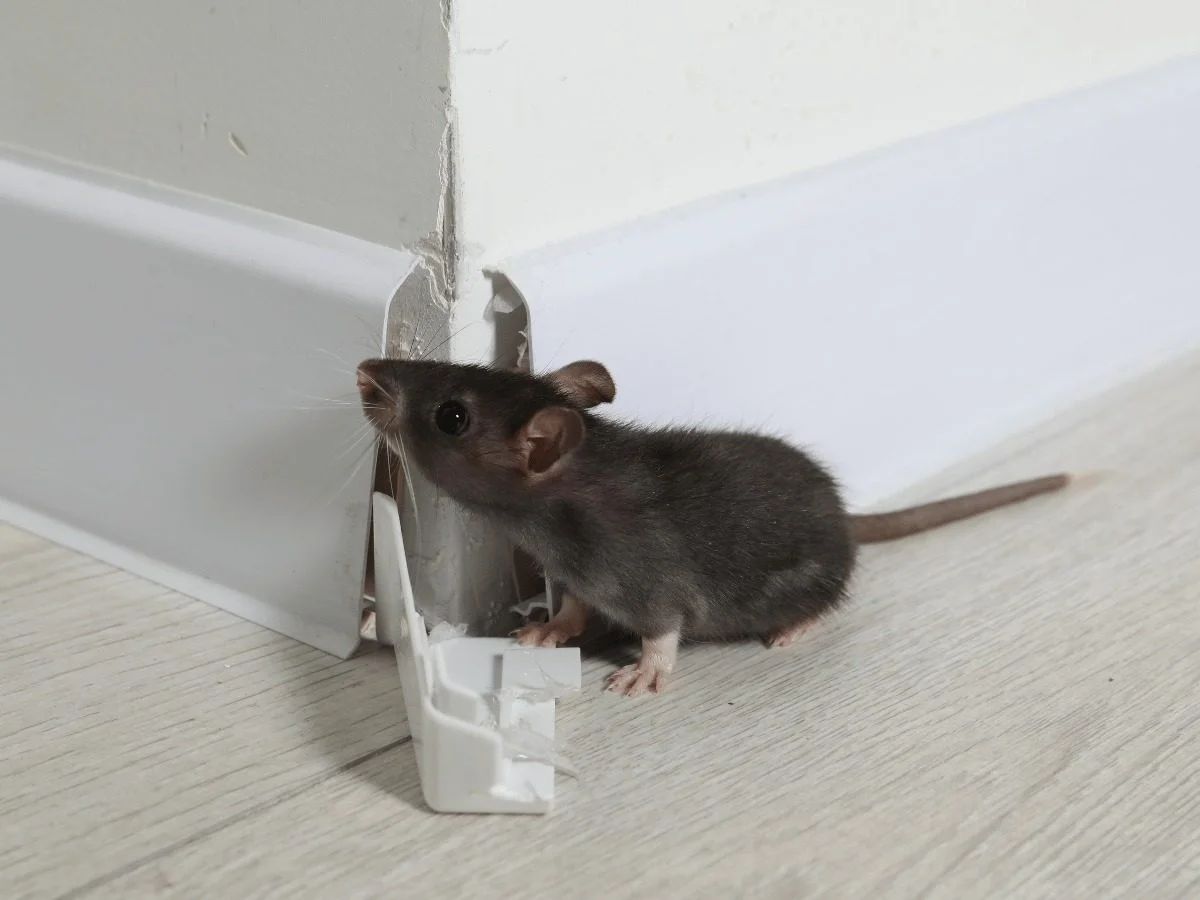
Inspection scope identifying dark oil and grease rub marks along wall framing, confirming active nocturnal travel corridors.
Nocturnal Audio Forensics: Scratching Sounds in Ceiling Night Diagnoses
Homeowners frequently call our dispatch desk describing mysterious noises in their ceilings or walls. The timing, rhythm, and volume of the sounds provide immediate diagnostic clues:
Midnight to 4:00 AM: Scurrying & Light Gnawing
Roof Rats in Attic
Late Evening & Morning: Soft Rustling in Pantries
House Mice in Walls
Daylight Hours: Heavy Thumping & Rolling
Squirrels or Birds
1. Midnight to 4:00 AM Activity (Strictly Nocturnal Rodents)
Roof rats and mice are nocturnal creatures with peak feeding and social activity occurring during the quietest hours of the night. If you hear quick pitter-patter scuttling across drywall, repetitive gnawing on wooden studs, or high-pitched squeaking between midnight and 4:00 AM, you are almost certainly dealing with an established rodent colony.
2. Daytime Sounds (Squirrels, Birds, or Raccoons)
If noises occur primarily during daylight hours, particularly at sunrise and late afternoon, the intruder is likely a diurnal animal such as a squirrel or bird nesting in your soffits. Rodents rarely make audible noises during daylight unless the population is severely overcrowded.
3. Dull Thumping vs. Light Scratching
- Light, Rapid Rustling: Indicates small house mice moving through wall fiberglass or behind kitchen baseboards.
- Heavier Scuttling & Rolling Sounds: Indicates larger roof rats dragging nuts, fruit, or hard objects across ceiling drywall.
- Loud, Heavy Thumping: Indicates larger wildlife, such as raccoons or opossums in the attic.
Early In-Home Detection: How to Tell if You Have Mice Behind Walls and Pantries
Mice are masters of living undetected within residential structures for weeks before being noticed. Look for these subtle interior warning signs:
Unusual Pet Behavior
Domestic dogs and cats possess extraordinary hearing and olfactory senses. If your dog or cat suddenly stares fixedly at a blank baseboard, barks at the bottom of the kitchen stove, or paws persistently beneath a bathroom vanity, they are likely detecting the high-frequency squeaks and scent trails of rodents traveling inside the wall void.
Punctured Food Packaging and Crumbs
Mice have powerful chewing capacity. Inspect your pantry for small, ragged holes chewed into cardboard cereal boxes, plastic rice sacks, or pet food bags. Mice leave small piles of crumbs beneath pantry shelves and often cache dog kibble or birdseed inside shoe boxes or behind sofa cushions.
Pungent Musty Odors
A heavy rodent infestation produces an unmistakable, stale, ammonia-like odor caused by continuous urine marking. This musky scent is especially noticeable in enclosed, poorly ventilated areas such as kitchen pantry closets, under-sink cabinets, and crawlspaces.
Forensic Clues: Audio and Odor Signs of Rodent Infestation Odessa Residents Notice
In the extreme climate of Odessa, odor and audio cues often provide the first alert that rodents have penetrated the building envelope:
The "Dead Animal in Wall" Odor
One of the most distressing olfactory signs occurs when a rodent dies inside a wall cavity or subfloor, frequently following the use of hardware-store poison pellets: - In Odessa summer heat exceeding 100 degrees, a dead rat carcass decomposes rapidly, producing a sickening, sweet, putrid stench that permeates living rooms and bedrooms within 48 hours. - The odor persists for two to four weeks until the carcass completely desiccates, drawing blowflies and flesh flies that cluster on nearby windows.
Smudge Trails on Exterior Brick Weep Holes
Look at the exterior base of your brick home. When mice repeatedly enter exterior brick weep holes, their oily fur leaves faint dark smudge marks around the bottom edges of the vertical mortar slot. Finding these marks confirms that mice are actively using your weep holes as daily highways into your walls.
Comparison: Comprehensive Physical Sign Diagnostic Matrix
| Physical Diagnostic Factor | Roof Rat (Rattus rattus) | Norway Rat (Rattus norvegicus) | House Mouse (Mus musculus) | Pack Rat (Neotoma) |
|---|---|---|---|---|
| Dropping Dimensions | 1/2 inch, cylindrical, pointed ends. | 3/4 inch, capsule-shaped, blunt ends. | 1/8 to 1/4 inch, pointed, rice-like. | 1/2 to 5/8 inch oval, hardened. |
| Primary Noise Pattern | Rapid scurrying overhead at 2:00 AM. | Heavy thumping, burrow scratching low. | Soft rustling behind cabinets, baseboards. | Heavy scratching in engine bays/sheds. |
| Physical Rub Marks | Dark sebum smudges on attic rafters. | Heavy greasy trails along slab baseboards. | Faint grease marks around tiny holes. | Resinous urine ("amberat") trails. |
| Common Entry Size | Needs 1/2 inch opening (quarter size). | Needs 3/4 to 1 inch opening (golf ball). | Needs 1/4 inch opening (pencil size). | Needs 1 inch opening (fist size). |
| Primary Location | Attic insulation, rafters, rooflines. | Crawlspaces, under slabs, sewer lines. | Kitchen cabinets, wall voids, pantries. | Engine bays, barns, stick middens. |
| Gnaw Mark Characteristics | Rough parallel tooth marks on wiring. | Large splintered wood, heavy plastics. | Fine, delicate tooth marks on drywall. | Chewed vehicle wiring, fuel hoses. |
What to Do After Identifying Confirmed Signs of Rodent Infestation Odessa Properties Exhibit
If you have confirmed any of the signs detailed in this guide, taking the correct immediate steps prevents minor intrusions from becoming severe property disasters:
Step 1: DO NOT Dry Sweep Droppings (Hantavirus Risk)
Step 2: DO NOT Scatter Poison Pellets in Walls
Step 3: Secure Food and Pet Kibble in Heavy Containers
Step 4: Schedule a Professional Physical Exclusion Audit
1. Avoid Sweeping or Vacuuming Droppings
Never dry sweep or use a household shop vac on droppings. In Odessa's arid climate, dried droppings contain viral and bacterial particles that become aerosolized when disturbed, creating severe respiratory hazards (Hantavirus). If cleaning minor droppings, always pre-saturate them thoroughly with a disinfectant for ten minutes before wiping them with wet paper towels.
2. Refrain from Using Indoor Poison Baits
Resist the temptation to purchase poison blocks from local home improvement stores. Poisoning rodents inside your home almost guarantees that animals will crawl into inaccessible wall studs to die, causing unbearable decomposing odors that can force families out of bedrooms for weeks.
3. Call a Dedicated Exclusion Specialist
Trapping alone removes only the animals currently inside. True resolution requires locating and sealing the exterior structural entry points that allowed the rodents to enter in the first place.
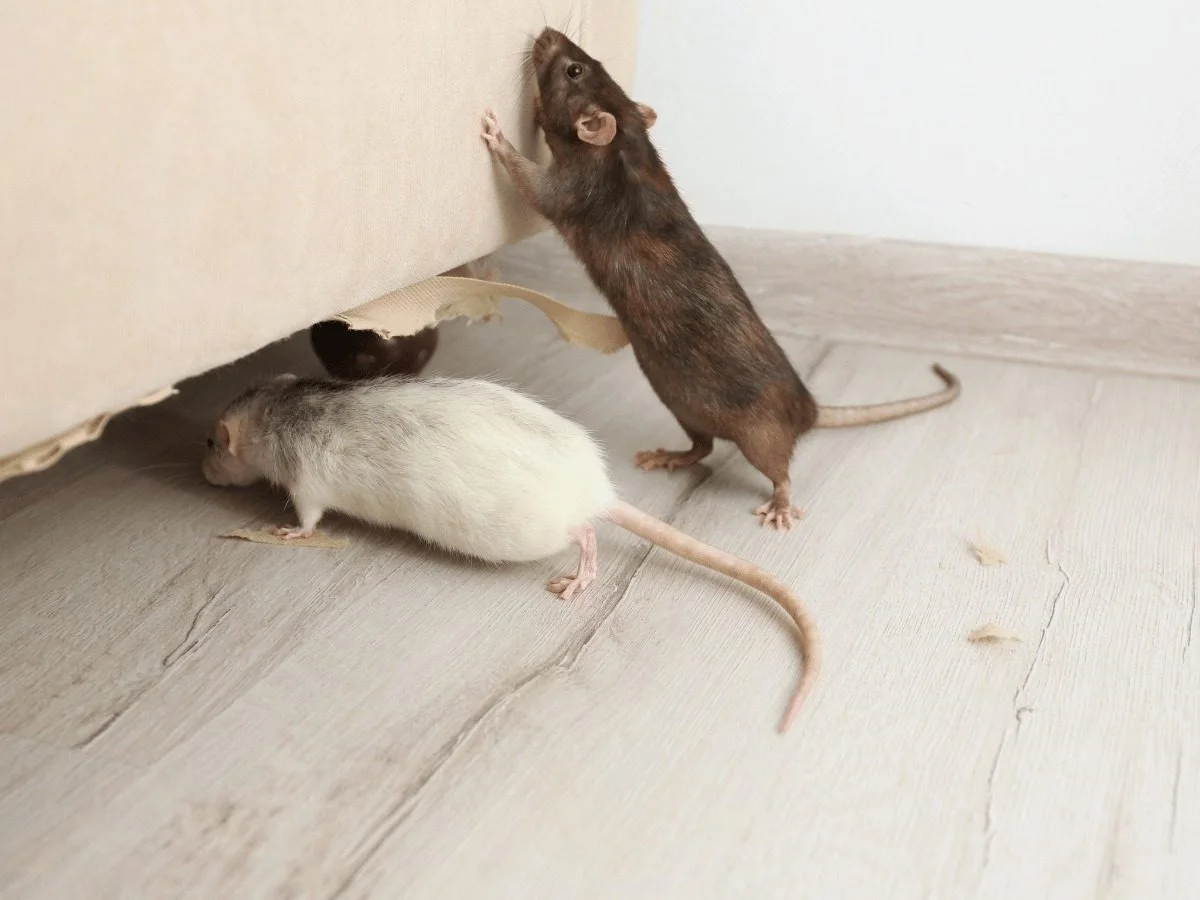
Damaged flex-duct insulation and compressed thermal batts revealing interior rodent nesting colonies and heat loss points.
Frequently Asked Questions About Diagnosing Rodent Infestations in Odessa
How can I tell if droppings are fresh or old?
Fresh droppings appear dark black, shiny, and have a slightly pliable or moist texture. As droppings age, they turn dull gray or brown, become dry and brittle, and crumble into dust when touched. The presence of fresh, dark droppings indicates an active, ongoing infestation.
I only found two droppings in my pantry. Could it just be a single mouse?
While it is possible for a solitary mouse to enter exploring for food, rodents are social animals with rapid breeding cycles. Female mice produce litters every six weeks. Finding droppings usually indicates that other rodents are present or will soon follow territorial scent trails into your home.
Can rats chew through electrical wiring in a single night?
Yes. A rat's incisors are exceptionally hard and grow continuously. If a rat discovers an electrical wire obstructing its travel runway, it can gnaw completely through the plastic sheathing and copper conductor within an hour, creating immediate short circuits and fire hazards.
What causes the dark smudges along our baseboards?
Those dark smudges are sebum rub marks. Rodents possess natural body oils on their fur that mix with dust and grime. Because rodents follow the exact same travel pathways daily, this grease accumulates along baseboard corners, drywall edges, and around pipe penetrations.
What is the quickest way to know if I have roof rats or squirrels in my attic?
Listen to the timing of the noises. Roof rats are strictly nocturnal and make noises between midnight and 4:00 AM. Squirrels are diurnal animals that make heavy scampering and chattering noises during daylight hours, especially at sunrise and late afternoon.
Schedule a Forensic Rodent Inspection with Odessa Specialists
If you have discovered droppings, heard scratching in your ceiling, or noticed gnaw marks, do not wait for the infestation to spread. Partner with Odessa’s dedicated structural exclusion specialists.
- Company Name: Rodent Control Odessa TX
- Physical Headquarters: 505 Stoddard St, Odessa, TX 79762
- Direct Dispatch Hotline: (432) 319-8327
- Operating Hours: Open 24/7 | Emergency Weekend & 24/7 Priority Dispatch Available
- Service Territory: Serving all residential subdivisions, commercial properties, and acreage tracts across Odessa, West Odessa, and Ector County (ZIP codes 79761, 79762, 79763, 79764, and 79765).
Call (432) 319-8327 right now to speak directly with an experienced diagnostic technician and book your on-site physical property inspection.